

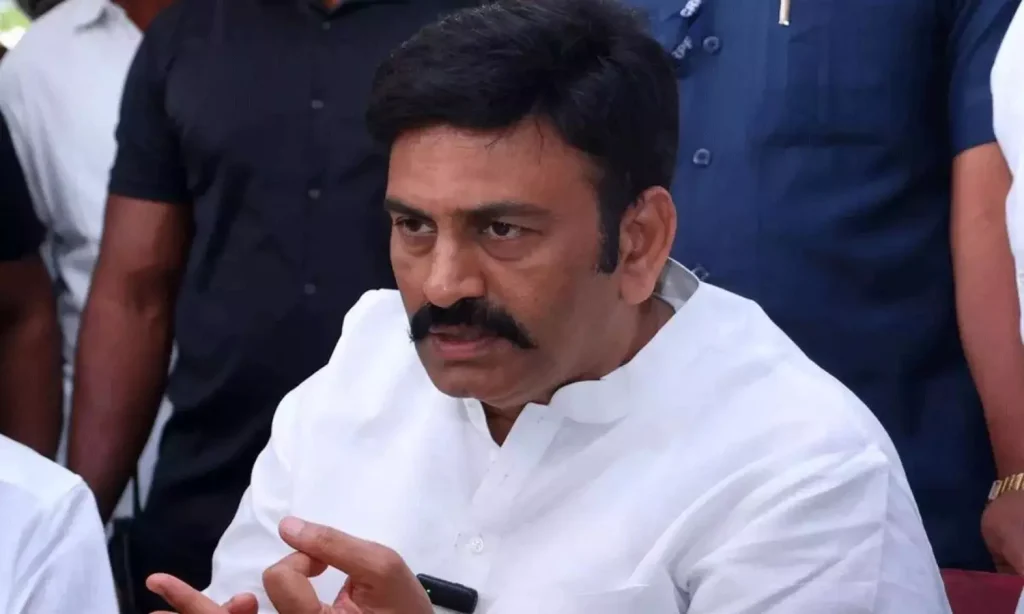
Amaravati: Andhra Deputy Speaker Slams YSRCP Leader’s Remarks
Andhra Pradesh Deputy Speaker Raghurama Krishnam Raju has lodged a formal complaint against YSRCP leader Sajjala Ramakrishna Reddy for alleged derogatory remarks targeting women in Amaravati. The complaint, addressed to the state’s Director General of Police, demands legal action under stringent laws. The controversy has sparked widespread debate, amplifying tensions in the region’s political landscape.
Formal Complaint Lodged
Raju’s letter to the DGP accuses Sajjala of using casteist and derogatory language, specifically labeling Amaravati women as “hybrid caste” and other offensive terms. He urged the registration of a case under the SC/ST (Prevention of Atrocities) Act, citing a violation of India’s penal code. The remarks, Raju claims, have deeply hurt the sentiments of thousands in Amaravati.
Call for Stringent Action
The Deputy Speaker emphasized the need for severe measures to deter such inflammatory rhetoric in the future. He argued that Sajjala’s comments perpetuate caste-based discrimination and insult the dignity of Andhra’s women. Raju attached excerpts of the alleged statements to his complaint for scrutiny.
Political Backlash
Raju condemned Sajjala’s remarks as akin to “demons chanting sacred verses,” reflecting hypocrisy. He referenced past instances where his own effigies were desecrated by YSRCP supporters, drawing parallels to the current controversy. The Deputy Speaker clarified he does not endorse reciprocal insults, despite provocations.
Public and Political Context
The remarks have fueled outrage, with posts on X amplifying calls for Sajjala’s arrest and labeling his statements as misogynistic. Political opponents, including BJP leaders, have demanded apologies from YSRCP leadership, criticizing their silence. The issue underscores broader tensions over Amaravati’s status and regional identity.
Key Demands
- Immediate registration of a case under SC/ST Atrocities Act.
- Strict enforcement to prevent future casteist or derogatory remarks.
- Accountability for statements harming public sentiments.
The controversy highlights the sensitivity of caste and gender issues in Andhra Pradesh, with authorities now under pressure to respond decisively.