

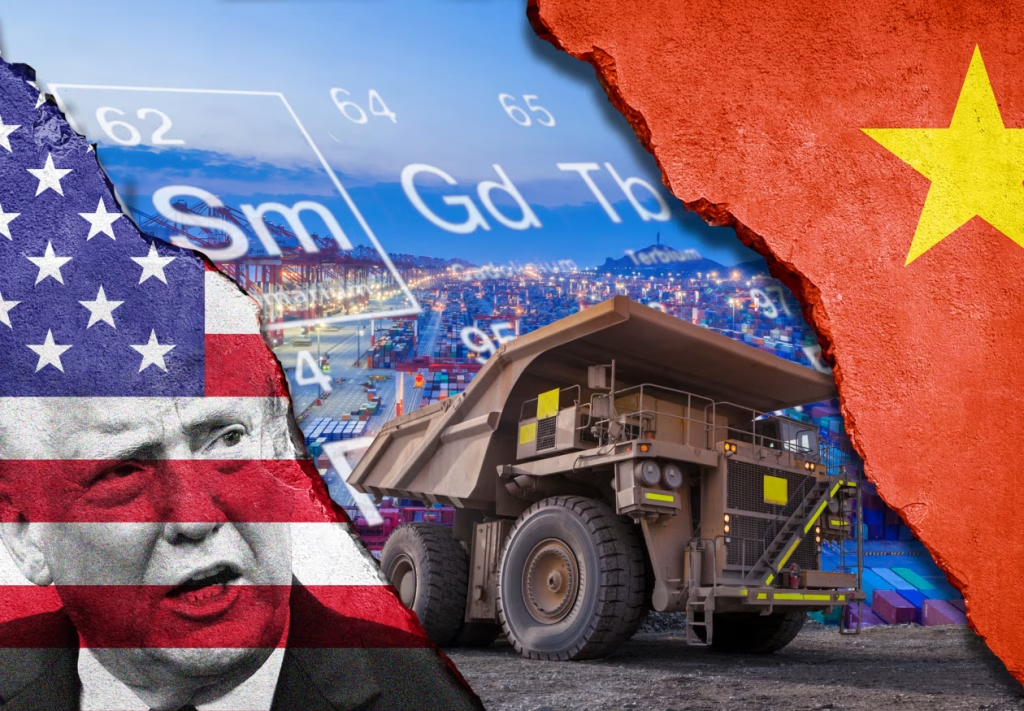
International: US Eyes Allies in Rare Earth Row
Tensions Rise Over Mineral Controls
China recently tightened its grip on rare earth exports, requiring foreign firms to secure special permits for imports. These metals are vital for tech and defense sectors, and Beijing’s move has sparked global concerns about supply chain disruptions. US officials view this as a direct challenge to international trade stability.
Bessent Seeks Support from Partners
In a recent interview, US Treasury Secretary Scott Bessent urged India and European nations to join forces against China’s restrictions. He described the situation as a showdown between Beijing and the rest of the world, emphasizing the need for collective action. Bessent stressed that such controls threaten economic security and called for a united front to counter them.
Accusations of Economic Aggression
Bessent accused China of aiming at global distribution networks with these policies, vowing that the US would not stand by idly. He highlighted ongoing consultations with allies to block Beijing’s advances. This appeal comes amid broader strains in US-China relations, where economic tools are increasingly weaponized.
Trump’s Strong Retaliation Measures
President Donald Trump responded swiftly by announcing 100 percent additional tariffs on Chinese goods, set to take effect as early as November 1. He linked this directly to China’s rare earth curbs, framing it as a defense of American interests. Trump also warned of restrictions on key software exports to China.
Soybean Dispute Fuels Trade Spat
Trump criticized China for deliberately halting purchases of US soybeans, calling it an act of economic hostility toward American farmers. In retaliation, he suggested ending certain trade ties, including those related to cooking oil. This move aims to pressure Beijing while protecting domestic agriculture.
Potential Impact on Farmers
US soybean growers face potential losses from reduced exports, prompting calls for government support. Trump’s proposal to curb cooking oil imports from China could escalate the feud further. Analysts note this reflects a tit-for-tat dynamic in ongoing trade negotiations.
BRICS Under Fire from Trump
Trump renewed his attacks on the BRICS alliance, labeling it an effort to undermine the US dollar’s dominance. He claimed his tariff warnings have led some nations to reconsider membership. The president asserted that without his interventions, the dollar’s global role might have weakened.
Warnings to Prospective Members
He reiterated threats of tariffs on countries joining BRICS, arguing the group promotes alternatives to dollar-based trade. Trump suggested the alliance is fragmenting under US pressure. This stance aligns with his broader policy of prioritizing American economic strength.
Global Implications of the Dispute
The escalating US-China tensions could reshape international supply chains and alliances. Nations like India find themselves courted as pivotal players in diversifying rare earth sources. Observers watch closely for shifts in trade patterns and diplomatic alignments.
- Efforts to reduce reliance on Chinese rare earths include boosting domestic mining and recycling.
- India has its own reserves and could expand production with international partnerships.
- Europe aims to secure alternative suppliers through trade deals and investments.
Path Forward Amid Uncertainty
As talks continue, the focus remains on balancing economic security with global cooperation. US leaders express hope for allied backing to mitigate risks. The outcome may influence tech innovation and defense capabilities worldwide.