

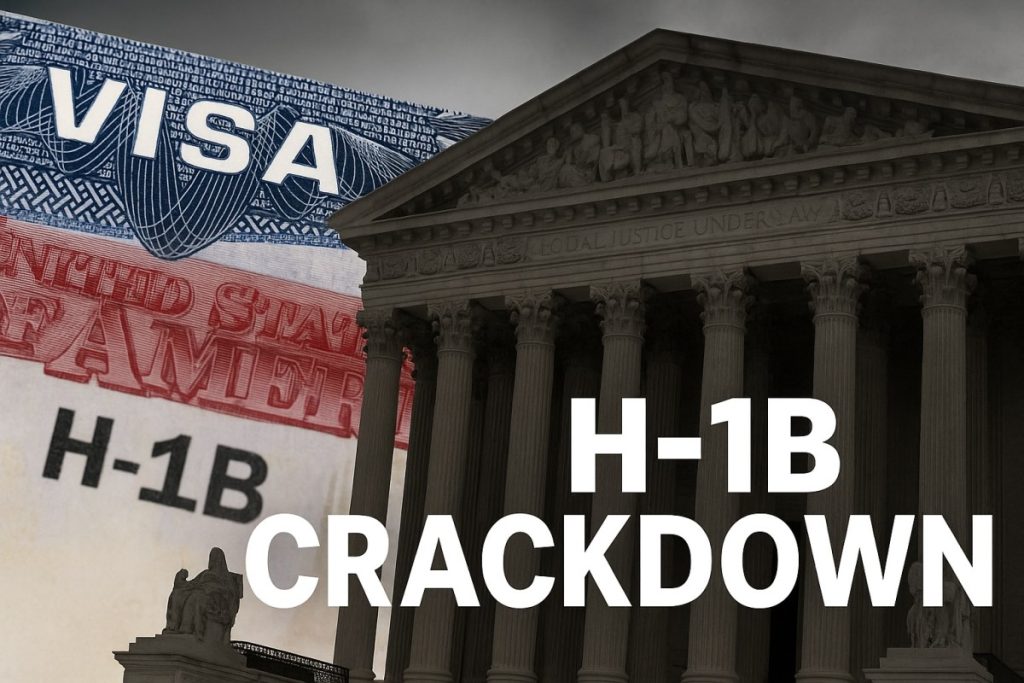
INTERNATIONAL: US Court Lawsuit Challenges H-1B Visa Fee Hike
A bold move by President Donald Trump to slap a $100,000 fee on H-1B visas has stirred uproar across industries reliant on global talent.
Labor unions, quick to cry foul, rushed to federal court in San Francisco, marking the first legal salvo against what they call an overreach of executive power.
As tech hubs and multinationals brace for upheaval, the policy’s rollout looms over 2026, threatening to reshape hiring from Silicon Valley to Wall Street.
The Fee’s Stark Details
Trump’s September proclamation hikes the H-1B application cost from a modest $215 baseline to this eye-watering sum, aimed at curbing what he deems exploitation of American workers.
Employers sponsoring foreign specialists in fields like engineering and IT now face this steep barrier for each new hire, a shift that could sideline startups and squeeze profit margins.
Critics warn it favors incumbents, potentially stifling innovation in a competitive global market.
White House Press Secretary Carolyn Leavitt stepped in to temper the frenzy, stressing the charge as a one-time hit applied solely to fresh petitions, sparing renewals and current holders.
Commerce Secretary Howard Lutnick echoed that sentiment, pinning the reform on past program loopholes that undercut U.S. labor protections.
Implementation kicks off next year, giving firms a narrow window to adapt amid whispers of economic fallout.
Unions’ Courtroom Challenge
Leading the charge, a coalition of labor groups argues the fee smacks of illegality, bypassing congressional checks on taxation and immigration rules.
In their filing, they contend Trump’s unilateral stroke ignores statutory limits, risking a slippery slope toward bureaucratic graft.
“This isn’t policy; it’s a power grab dressed as patriotism,” one union rep told reporters outside the courthouse, voicing fears for vulnerable sectors like healthcare and education.
The suit spotlights broader harms: small businesses and nonprofits, already stretched thin, could fold under the weight, while universities lose key researchers.
Plaintiffs seek an injunction to halt the fee before it bites, framing it as a direct assault on equitable workforce access.
Ripples for India and China
No corner feels the pinch quite like India and China, top feeders of H-1B talent with over 70% of approvals in recent years.
Tech giants like Infosys and Tencent affiliates stand to absorb millions in added costs, possibly rerouting hires to Canada or Europe.
Indian diaspora networks buzz with anxiety, one Bengaluru engineer noting, “Dreams of the American opportunity just got priced out for most of us.”
U.S. firms counter that the talent drought could hobble AI and semiconductor pushes, ceding ground to rivals abroad.
As mediators weigh in, the debate underscores a perennial tug-of-war: safeguarding jobs at home without slamming the door on the world’s brightest minds.
Path Forward Amid the Storm
With the lawsuit grinding through dockets, stakeholders eye a pivotal clash between economic nationalism and open innovation.
Trump defenders hail it as an overdue fix to level the playing field, yet even some business lobbies break ranks, decrying the fee’s blunt edge.
For now, hiring managers huddle over budgets, wondering if this flashpoint will fizzle in court or forge a new visa era.