

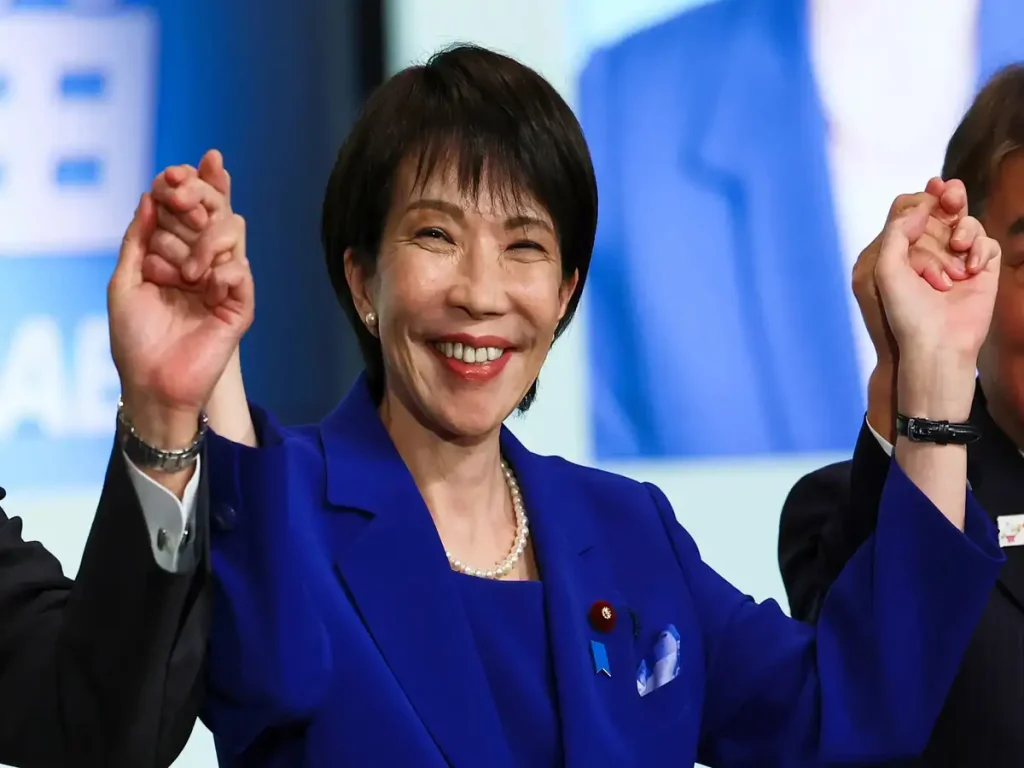
INTERNATIONAL: Sanae Takaichi Set to Become Japan’s First Woman Prime Minister
In a seismic shift for Japanese politics, Sanae Takaichi has clinched the presidency of the Liberal Democratic Party, setting the stage for her to shatter barriers as the nation’s first female prime minister.
The 64-year-old lawmaker’s victory comes amid turmoil for the ruling party, which has grappled with electoral setbacks and leadership woes.
As Tokyo navigates economic headwinds and security threats, her ascent signals a potential pivot in governance style and priorities.
Ishiba’s Fall from Grace
Prime Minister Shigeru Ishiba stepped down last week, bowing to mounting pressure after the LDP forfeited its majority in both parliamentary houses during recent elections.
The upper house loss proved the final straw, eroding his grip on the party and fueling calls for fresh direction.
Ishiba’s brief tenure, marked by bold reforms, ended not with fanfare but with the quiet resolve to hand over the reins.
This internal reckoning unfolded swiftly, with party faithful rallying behind contenders who promised stability.
The elections exposed fractures within the LDP, where veteran influences clashed with calls for renewal, ultimately propelling Takaichi to the forefront.
A Hard-Fought Party Victory
On October 4, Takaichi triumphed in the LDP presidential race, edging out Shinjiro Koizumi—son of former Prime Minister Junichiro Koizumi, and three other rivals in a ballot dominated by strategic alliances.
Her win, secured through grassroots support in her native Nara prefecture, underscores a conservative resurgence within the party’s ranks.
Elected to parliament in 1993, she brings decades of experience, having helmed roles in economic security, internal affairs, and gender equality.
In her acceptance remarks, Takaichi tempered jubilation with gravity, telling colleagues, “This victory weighs heavier with responsibility than joy.” Her platform emphasizes economic resilience and national defense, themes that resonated amid voter disillusionment.
Road to Confirmation
Japan’s parliament now gears up for a pivotal vote on October 15, where lawmakers will formally install the next prime minister.
With the LDP’s coalition holding sway despite slim margins, Takaichi’s path appears clear, though opposition voices may test her mandate early.
Analysts see her leadership as a chance to invigorate policy on aging demographics, trade tensions, and regional alliances.
For women in Japanese politics, long sidelined in a male-dominated sphere, this moment arrives as a quiet revolution.
Takaichi’s rise, from provincial roots to the cusp of power, could inspire a broader push for inclusivity in the halls of Kasumigaseki.