

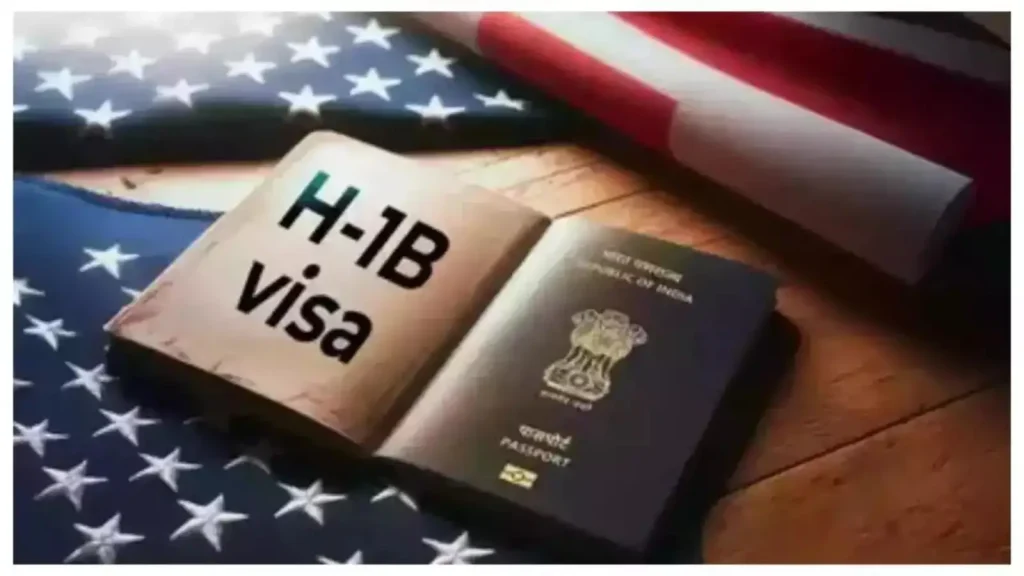
NATIONAL: H-1B Shock: Visa Appointments Delayed for Indian Techies
Thousands of Indian professionals eyeing U.S. jobs hit a wall this week as visa interviews vanished from calendars.
A fresh mandate to sift through social media feeds for security red flags.
What starts as a digital check could stretch into months of limbo for families and firms alike.
This policy pivot, rolling out mid-December, demands that applicants flip privacy switches to public view.
Consular teams, now juggling extra review hours, have slashed daily slots, triggering a cascade of reschedules.
It’s a stark reminder that even skilled talent walks a tightrope in America’s immigration arena.
Policy Sparks Appointment Chaos
U.S. consulates across India began firing off emails on December 8, yanking slots set for December 15 onward.
One applicant, fresh from biometrics in Hyderabad, stared at a new date in March 2026.
“I quit my job back home for this,” she shared anonymously, her voice cracking over a call.
Bloomberg Law confirmed the pattern: mid-December bookings shoved to spring, some as late as summer.
The emails are blunt. Show up on your old date, and guards turn you away.
No appeals, no walk-ins. Biometrics hold steady, but the real hurdle, the interview, waits in a bottleneck.
Attorneys like Ellen Freeman call it a “maze of pitfalls,” where predictability evaporates overnight.
Privacy Flip: The New Gatekeeper
From December 15, H-1B hopefuls and their H-4 dependents must list every online handle and set accounts to public.
Officers will scan posts, likes, and shares for anything hinting at threats.
The State Department frames it simply: every visa is a security call, a privilege earned through transparency.
This builds on pilots for students, now standard for work visas. Applicants whisper worries about old rants or family opinions surfacing.
One tech engineer from Chennai joked darkly, “My vacation selfies better not look suspicious.” Yet the intent is clear: weed out risks in an era of online echoes.
Broader Strokes of Trump-Era Tightening
The Trump White House has layered on pressures, from a hefty $100,000 one-time fee per new H-1B to pauses on green cards for nationals of 19 nations, India prominent among them.
Employment docs for some now cap at 18 months, down from five years, hitting refugees and status seekers alike.
These moves ripple through India’s IT hubs, where over 70% of H-1Bs flow.
Firms scramble, weighing remote workarounds or extended leaves. Immigration voices warn of economic drag: delayed returns mean empty desks in Silicon Valley, stalled projects, and whispers of talent eyeing Canada instead.
Caught in the Queue: Real Lives on Hold
Picture Raj, a Bangalore coder mid-relocation, his U.S. start date looming. His December 20 slot? Pushed to April.
“We’re burning savings on rent stateside, with no end in sight,” he says, scrolling job alerts back home. Families split by oceans feel the strain most, with kids in flux and spouses sidelined.
Forum threads buzz with panic: “End of my career?” one Reddit post pleads.
Attorneys urge caution, advising against nonessential travel. Fragomen’s alerts echo: stay put unless urgent. The human toll mounts quietly, behind headlines of policy wins.
Horizons of Hurdles Ahead
Will this vetting blunt real dangers or just bog down the bright minds America courts?
Critics decry it as overreach, chilling free expression; backers see safeguards in a volatile world. For now, Indian applicants hunker down, tweaking profiles and timelines.
As 2026 dawns, the queue grows. Employers pivot to hybrids, but the wait tests resolve.
In this digital age, a tweet from years past might decide a future. It’s a pivot point: security versus speed, scrutiny versus opportunity.