

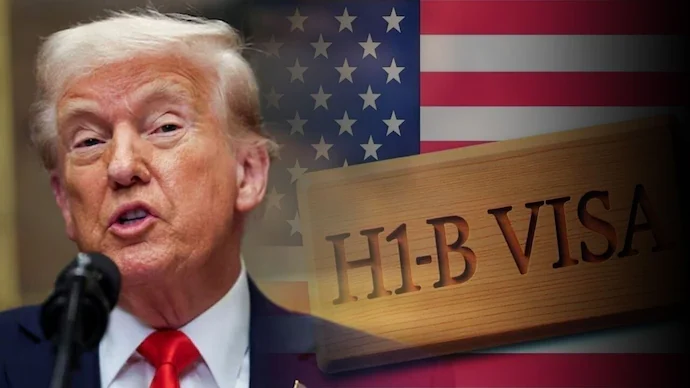
INTERNATIONAL: US Starts Social Media Vetting for H-1B, H-4
Starting December 15, 2025, the U.S. Department of State has rolled out expanded online vetting for all H-1B specialty worker visa applicants and their H-4 dependents.
Consular officers now review applicants’ digital footprints, including social media activity, as part of routine processing abroad.
This builds on a similar policy introduced in June 2025 for student and exchange visitor visas in the F, M, and J categories.
The move aims to bolster national security checks by examining publicly available online content.
Privacy Settings Must Change
Applicants in affected groups, including H-1B, H-4, F, M, and J categories, receive guidance to switch all social media accounts to public view.
Platforms like Facebook, Instagram, X, LinkedIn, and others fall under this requirement to allow thorough examination.
Failure to comply could complicate adjudication, experts note, though the department stresses it uses only publicly accessible information. No passwords or private messages come into play.
Delays Hit Interview Schedules
Many consulates, particularly in high-volume locations like India, have rescheduled H-1B and H-4 appointments from December onward.
Slots originally set for late 2025 now stretch into March or April 2026 in some cases.
Reduced daily interview capacity accommodates the added review time, sources say.
Travelers planning holiday visa stamps face unexpected waits, disrupting return plans for those already in the U.S.
Security Drives the Policy
Officials frame every visa decision as a matter of national security. The department seeks assurance that entrants pose no risk to Americans or U.S. interests, drawing on all available data for informed choices.
This enhanced screening aligns with broader efforts to modernize vetting, reflecting ongoing priorities in immigration processing.
What Applicants Can Do
- Review and update social media privacy settings promptly.
- Monitor appointment status through official channels.
- Consult employers about potential travel impacts.
- Prepare for possible follow-up questions on online activity.
As the policy takes effect, thousands navigate these changes, balancing career needs with new compliance demands.