

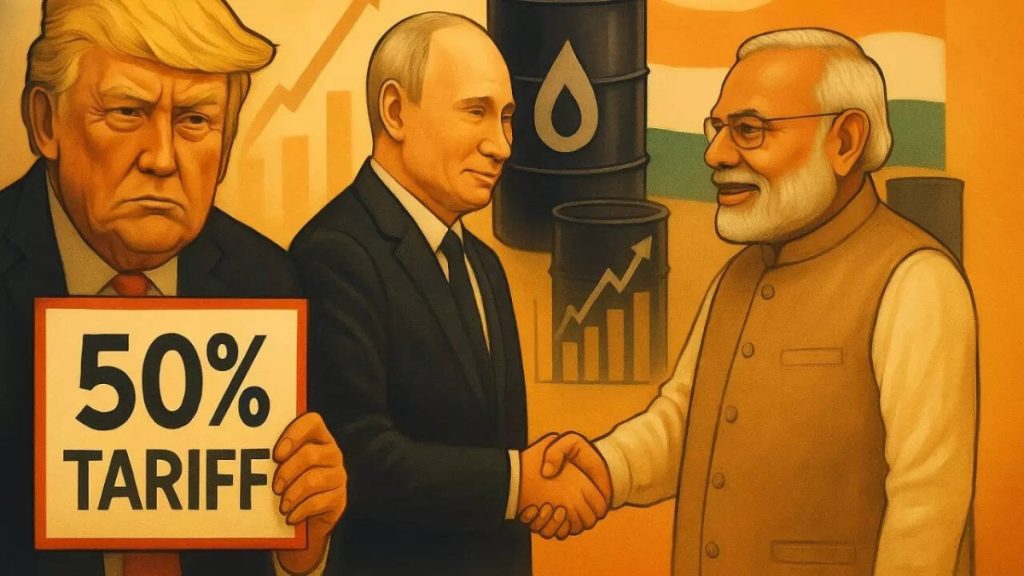
INTERNATIONAL: Trump’s Tariff Hike Targets India’s Exports
Escalating Trade Tensions
US President Donald Trump signed an executive order imposing an additional 25% tariff on Indian imports, raising the total tariff to 50%. This follows an earlier 25% tariff, effective from August 7, with the new increment set to begin on August 27. The move, described as a penalty for India’s continued oil purchases from Russia, significantly impacts India’s $86 billion export market.
Selective Tariff Application
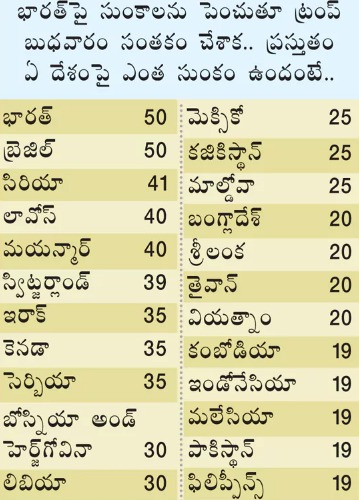
While India faces a steep 50% tariff, China and Turkey, which also import Russian oil, are subject to lower tariffs of 30% and 15%, respectively. The executive order specifies that the additional 25% tariff supplements existing duties, taxes, and fees, positioning India alongside Brazil as one of the countries facing the highest US tariffs.
Impact on Key Indian Industries
The elevated tariffs will immediately affect India’s textile, aquaculture, and leather sectors. Affected products include:
- Clothing, gems, and jewelry
- Shrimp, leather products, and footwear
- Animal products, chemicals, electrical equipment, and machinery
This could disrupt supply chains and increase costs for US consumers and Indian exporters.
Exemptions Offer Limited Relief
Certain Indian exports are exempt from the new tariffs, providing some respite. These include:
- Pharmaceuticals and energy products (crude oil, refined fuel, natural gas, coal, electricity)
- Key minerals, semiconductors, computers, tablets, smartphones, drives, panel boards, and circuits
However, the exemptions cover a small fraction of India’s export portfolio, limiting their economic relief.
India’s Official Response
India’s Ministry of External Affairs condemned the tariffs as “inappropriate, unjust, and irrational” in a statement issued on August 6, 2025. The ministry vowed to take all necessary measures to safeguard national interests, signaling potential retaliatory actions or diplomatic negotiations to mitigate the impact.
Political Reactions in India
Senior Congress leader Rahul Gandhi labeled the tariffs as “economic blackmail,” alleging they are designed to coerce India into signing an unfavorable trade agreement. His remarks reflect growing domestic concerns about the economic and geopolitical implications of the US policy.
Economic Implications for India
The 50% tariff threatens to disrupt India’s export-driven industries, particularly textiles and leather, which are labor-intensive and critical to employment. With India’s exports to the US valued at $86 billion, the tariffs could strain bilateral trade relations and prompt India to explore alternative markets.
Global Trade Dynamics
The selective targeting of India, while sparing China and Turkey, raises questions about the strategic motivations behind Trump’s policy. Analysts suggest the tariffs may be part of a broader effort to pressure India on geopolitical issues, including its energy ties with Russia, amidst complex global trade dynamics.
Next Steps and Potential Retaliation
India is likely to explore diplomatic and legal avenues, including World Trade Organization (WTO) complaints, to challenge the tariffs. The government may also accelerate trade diversification strategies to reduce reliance on the US market, potentially strengthening ties with other global partners.
Broader Implications
The tariff escalation underscores the fragility of international trade relations in a geopolitically charged environment. As India navigates this economic challenge, the outcome could reshape its trade policies and influence global perceptions of US trade strategies under Trump’s administration.