

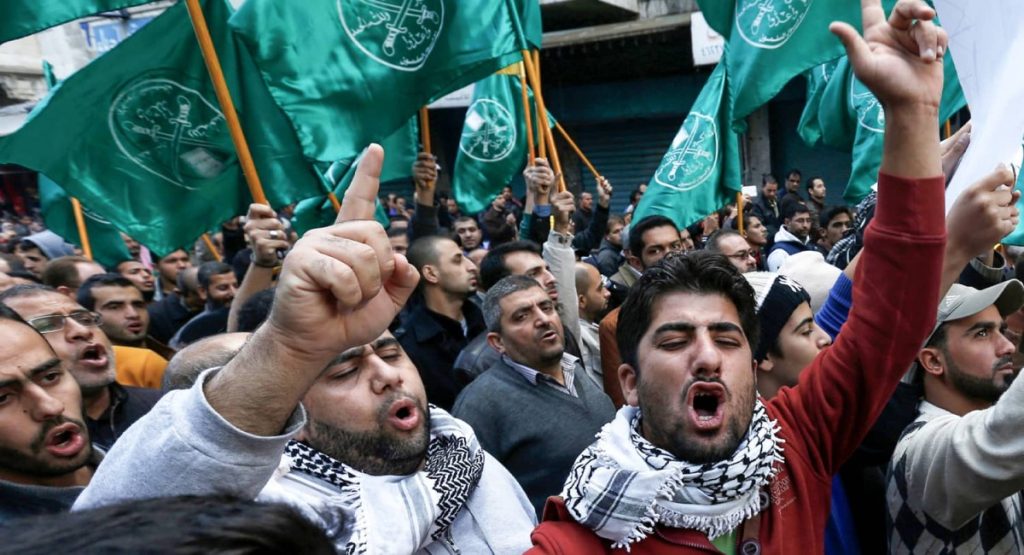
International: Trump’s Bold Strike: Brotherhood Blacklist?
President Donald Trump has launched a targeted push against the Muslim Brotherhood, directing key officials to evaluate its regional chapters for terrorist designations. This executive action, signed on November 24, 2025, spotlights affiliates in Lebanon, Egypt, and Jordan, aiming to curb what the administration sees as threats to U.S. interests and allies. As one of the Arab world’s foundational Islamist movements nears potential sanctions, the move reignites debates on balancing security with regional dynamics.
The order builds on longstanding concerns, framing the group’s networks as enablers of instability. Yet, it also invites scrutiny over broader implications for diplomacy in a volatile Middle East.
Executive Order: Setting the Timeline
Trump’s directive requires Secretary of State Marco Rubio and Treasury Secretary Scott Bessent to deliver a joint assessment within 30 days. This report, prepared in consultation with the Attorney General and Director of National Intelligence, will weigh evidence on designating specific chapters as foreign terrorist organizations under U.S. law.
Once submitted, Rubio and Bessent must act within 45 days to implement labels like specially designated global terrorists if warranted. These steps invoke the International Emergency Economic Powers Act and Immigration and Nationality Act, unlocking tools for asset freezes and travel restrictions.
The White House emphasizes this as a measured response to post-October 7, 2023, escalations, where Brotherhood elements allegedly backed attacks on Israel and U.S. partners.
Allegations at the Core: Support for Militancy
The administration points to concrete actions fueling the review. In Lebanon, the group’s military wing reportedly aided rocket strikes on Israeli targets alongside Hezbollah. Egyptian leaders are accused of inciting violence against American and allied interests.
Jordan’s chapter faces claims of longstanding material aid to Hamas, the U.S.-listed terrorist offshoot of the Brotherhood. Such ties, per the fact sheet, undermine peace efforts and empower extremists across West Asia.
These assertions draw from intelligence on the group’s transnational reach, which the order seeks to dismantle by starving resources and operations.
Echoes from the First Term: Rubio’s Resolve
This isn’t uncharted ground for Trump, who pursued similar designations during his initial presidency. Rubio, now at State, affirmed the current effort, noting the Brotherhood’s role in promoting terrorism and unrest against U.S. goals.
At the state level, Texas Governor Greg Abbott’s recent order mirrors this, labeling the group a terrorist entity within his jurisdiction. Such alignment signals a cohesive strategy across federal and local fronts.
Critics may highlight the Brotherhood’s evolution since renouncing violence in the 1970s, now blending activism with social services like clinics and schools. Still, proponents argue the designations target only militant facets.
Historical Footprint: From Egypt to Global Influence
Founded in Egypt in the 1920s, the Muslim Brotherhood emerged to champion Islamic principles amid rising secularism. It quickly expanded across Arab nations, often thriving underground amid crackdowns.
Today, it shapes politics through elections and aid networks, though bans in places like Egypt and the UAE underscore its polarizing legacy. The U.S. push could ripple into these spheres, affecting alliances and aid flows.
As the 30-day clock ticks, outcomes may redefine counterterrorism priorities, urging a careful navigation of faith, politics, and security in an interconnected world.