

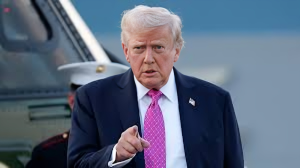
Washington, D.C.: In a sharp escalation of the funding standoff in Congress, Trump cancelled meeting at shutdown risk has become a focal point of U.S. politics today.
With the federal government’s funding set to expire on September 30, President Donald Trump unexpectedly scrapped a planned meeting with top Democrats, raising the threat of a partial government shutdown.
Why the Meeting Was Canceled
President Trump announced via his social media platform that “no meeting with their congressional leaders could possibly be productive,” accusing Democrats of making “unserious and ridiculous demands.”
Reuters Earlier, Senate Minority Leader Chuck Schumer and House Minority Leader Hakeem Jeffries had pressed for direct negotiations to avert a shutdown.
The Funding Fight & Legislative Deadlock
The House had already approved a stopgap funding measure to carry government operations beyond October 1, but the Senate rejected it, citing concerns over the exclusion of healthcare funding, especially Medicaid and insurance subsidies under the Affordable Care Act.
Democrats argue they will not support any funding bill without protecting vulnerable Americans.
Looming Shutdown & UncertaintyWith funding expiring in a matter of days, the White House has remained tight-lipped about detailed contingency plans.
Reuters Meanwhile, nonessential federal services could be suspended, and federal employees may face furloughs if Congress doesn’t reach a deal in time.
Senate and House leaders are set to return on September 29 to push forward negotiations.
Political Fallout & Stakes
Both sides are now aiming to frame blame should a shutdown occur.
Democrats accuse the President of “avoiding responsibility,” while Republicans argue that Democrats’ demands are blocking compromise.
A shutdown could have broad consequences, disrupting federal services, delaying benefits, and creating economic uncertainty.
What to Watch
How this political standoff plays out in the lead-up to upcoming elections.
Whether Trump reinstates the meeting or demands alter, possibly returning to negotiation.
Whether a fresh bipartisan stopgap measure is drafted that includes healthcare provisions.
Which side concedes first as the September 30 deadline draws near.