

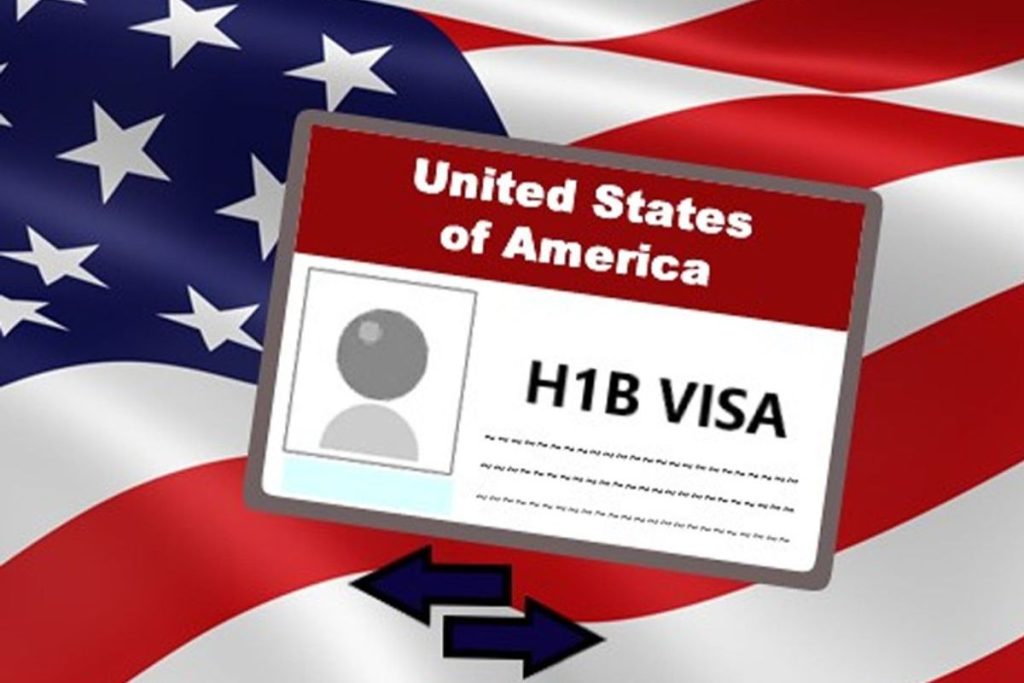
INTERNATIONAL: H-1B Visa: Key Sectors Exempted from $100K Fee
The recent executive order from US President Donald Trump has introduced a steep $100,000 fee for newly issued H-1B visas, sparking widespread unease in the global IT industry.
Effective since September 21, 2025, this measure targets specialty occupation workers and lasts for one year unless overridden by congressional legislation.
For many firms, especially those reliant on international talent, the added cost poses a formidable challenge.
Salaries for H-1B visa holders from key source countries typically range from $60,000 to $140,000 annually, making the fee a disproportionate burden.
Companies now face tough decisions on sponsorships, potentially slowing talent inflows and straining operations.
The policy underscores a push to align immigration with domestic economic goals, yet it raises questions about long-term innovation impacts.
Pathways to Exemptions
Exemptions offer a glimmer of relief under Section 1(c) of the order, with the US Secretary of Homeland Security holding discretion to approve them.
These waivers aim to secure top-tier expertise without financial barriers, prioritizing fields vital to national interests.
Reports indicate that medical professionals, including doctors and residents, already qualify for relief.
This flexibility extends to other critical areas where skilled workers are scarce.
Firms in these sectors can petition for fee waivers, emphasizing the irreplaceable nature of such talent.
The process encourages applications that highlight contributions to US priorities, potentially easing the sting for select industries.
Key Exempted Sectors
- Physicians: Essential for healthcare delivery and patient care.
- Medical and Health Research: Advances in treatments and public health initiatives.
- Defense and National Security: Safeguarding infrastructure and operations.
- STEM Activities: Driving innovation in science, technology, engineering, and math.
- Energy: Supporting sustainable and secure resource development.
- Aviation: Ensuring safe and efficient air travel systems.
- Cybersecurity: Protecting digital networks from evolving threats.
These categories reflect a strategic focus on areas where immediate training gaps cannot be filled locally.
As applications roll in, clarity on approvals will shape how businesses adapt.
The evolving landscape prompts reflection: could this fee reshape global talent flows or spur more homegrown solutions?
Stakeholders watch closely as the first waiver decisions emerge.