

International: Tesla Faces $242M Fine: Autopilot Flaw Sparks Debate
Court Ruling on Fatal Crash
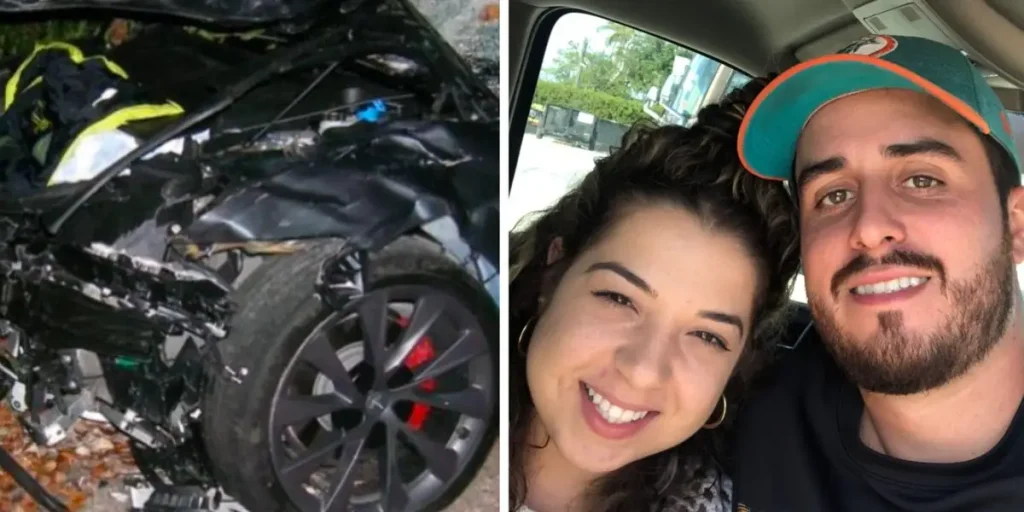
A Florida court has imposed a staggering $242 million penalty on Tesla, a leading electric vehicle manufacturer, following a 2019 fatal accident in Key Largo. The court determined that a malfunction in Tesla’s Autopilot system contributed to the tragedy, ordering the company to compensate the affected family.
Details of the Incident
The incident involved George McGee, who was operating a Tesla vehicle equipped with its advanced Autopilot feature. While attempting to retrieve a dropped mobile phone, McGee relied on the automated driving system, which failed to maintain control, resulting in a collision with a parked car and two pedestrians.
Tragic Outcome and Legal Action
The crash claimed the life of a 22-year-old woman and severely injured her companion. The victims’ families pursued legal recourse, culminating in an extensive judicial review. The court’s verdict underscored the Autopilot system’s shortcomings as a critical factor in the accident.
Financial Accountability
The court mandated a total compensation of $329 million, with Tesla liable for $242 million due to the Autopilot defect. The remaining amount falls on the driver, highlighting shared responsibility. This ruling sets a significant precedent for autonomous vehicle litigation.
Tesla’s Response and Appeal
Tesla has announced its intent to appeal the decision, signaling ongoing contention over the reliability of its Autopilot technology. The appeal process may further scrutinize the balance between driver responsibility and system reliability in autonomous vehicles.
Implications for Autonomous Driving
This case raises pivotal questions about the safety and regulation of automated driving systems. As autonomous technology evolves, such incidents underscore the need for robust safeguards and clear accountability frameworks to protect public safety.