

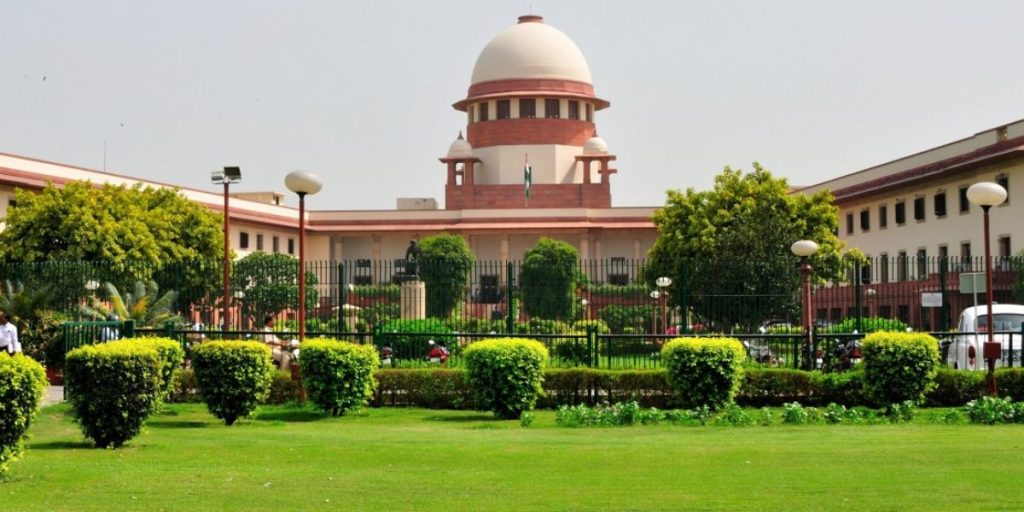
New Delhi: Telangana’s Local Quota Conundrum: Supreme Court Scrutiny
Supreme Court Takes Up Local Quota Dispute
On August 5, 2025, the Supreme Court of India commenced a pivotal hearing on Telangana’s local quota policy for MBBS and BDS admissions. The case stems from a challenge by the Telangana government against a High Court ruling that relaxed the stringent requirement for candidates to have studied in the state for four consecutive years to qualify for the local quota.
Telangana High Court’s Ruling Under Fire
The Telangana High Court had previously determined that permanent residents of the state should not be mandated to study in Telangana for four years to access the 85% local quota seats. This decision prompted the state to appeal, arguing that the ruling undermines the intent of the Telangana Medical and Dental Colleges Admission Rules, 2017, amended in 2024.
Chief Justice Raises Concerns Over Fairness
Chief Justice B.R. Gavai expressed apprehension about the exclusion of students who pursued education outside Telangana, particularly for Classes 10, 11, or 12. He questioned the rationale of denying quota benefits to students born in Telangana who studied abroad or in other states, such as Dubai or Kota, for short periods, emphasizing that such policies could unjustly disadvantage genuine residents.
- CJI’s Query: How can students born and raised in Telangana be denied local quota benefits for studying outside the state briefly?
- Equity Focus: The Court stressed that non-residents of Telangana are ineligible for the quota, reinforcing the need to protect local students’ rights.
State Defends Stringent Domicile Criteria
Representing Telangana, advocate Abhishek Manu Singhvi defended the amended Rule 3(a), which mandates four years of continuous study or residence in the state and passing the qualifying exam locally. This criterion, enacted via G.O. Ms. No. 33 on July 19, 2024, aims to ensure that only committed residents benefit from the quota, preventing misuse by non-residents.
Supreme Court Proposes Deferred Implementation
Chief Justice Gavai suggested that applying the amended criteria from the 2028 academic year could mitigate immediate harm to students affected by the mid-cycle rule change. This proposal seeks to balance the state’s regulatory objectives with the protection of students’ educational aspirations, particularly those who pursued coaching or education elsewhere.
Implications for Telangana Students
The Court underscored that the domicile policy should not infringe upon the rights of Telangana-born students who temporarily studied outside the state. The ongoing hearing, with further deliberations expected, will determine whether the state’s strict criteria align with constitutional principles of fairness and equal opportunity.
Broader Context of Reservation Policies
The case also touches on Telangana’s broader reservation framework, including a proposed 42% quota for Backward Classes in local body elections, which exceeds the Supreme Court’s 50% cap. This parallel issue, currently under Presidential review, highlights the state’s ongoing efforts to redefine reservation policies, potentially setting a precedent for other states.