

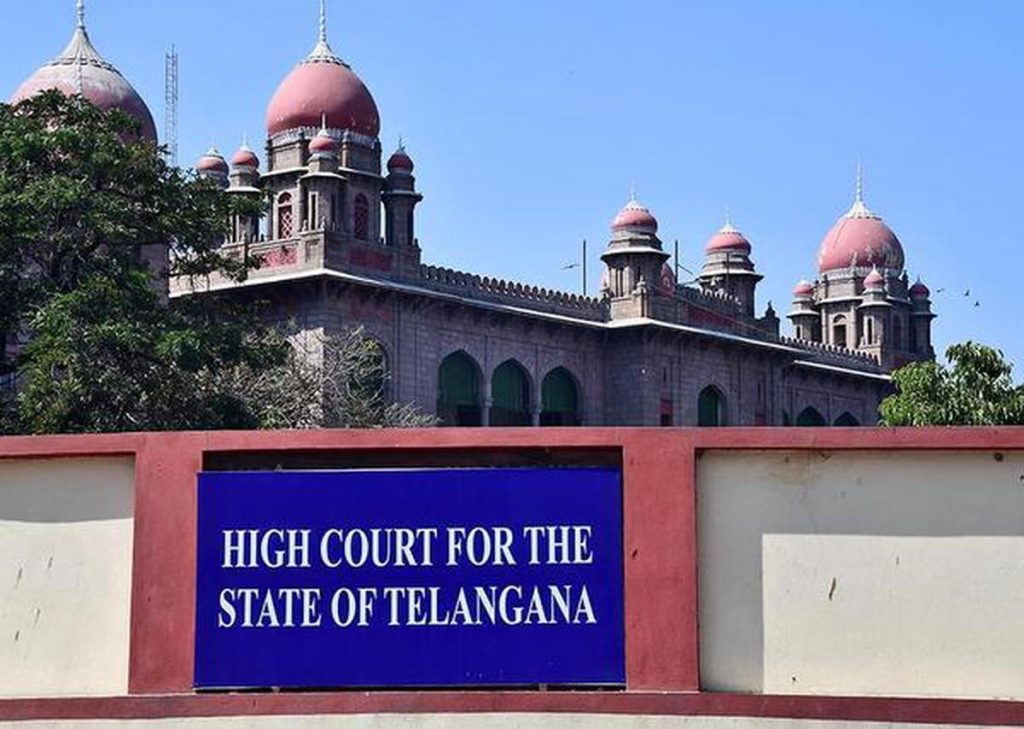
TELANGANA: Telangana HC Halts GOs on Quotas, Says No Poll Interference
Green Light for Local Elections
The High Court has cleared the path for local body elections in the state, allowing the Election Commission to move forward using established procedures.
This comes after staying government orders that bumped backward class reservations to 42 percent, pushing totals beyond legal limits.
With terms expired and no fresh triple test in place, proportional seats will now open to all categories.
Staying the Controversial Orders
A bench led by Chief Justice Aparesh Kumar Singh and Justice G.M. Mohiuddin issued the interim stay late Friday on petitions challenging key directives.
These included GO 9 for the 42 percent backward class quota, plus GOs 41 and 42 outlining the election timeline and process.
The court emphasized no interference with the overall poll machinery under Article 243O of the Constitution.
The ruling draws from the 2022 Supreme Court interim order in the Rahul Ramesh Wagh case, stressing that reservations must stay under 50 percent.
Until resolved, the stayed orders mean elections proceed without the added quota, treating disputed seats as general.
Breaking Down the Reservation Math
Prior setups kept things balanced at the 50 percent ceiling set by the Supreme Court in the Vikas Kishanrao Gawali case:
- 15 percent for Scheduled Castes
- 10 percent for Scheduled Tribes
- 25 percent for Other Backward Classes
GO 9’s 42 percent for backward classes would inflate the total to 67 percent, breaching the cap.
The bench noted this without weighing in on broader claims, focusing instead on immediate electoral fairness.
Government’s Push and Triple Test Hurdle
State officials defended the hike, citing a special commission’s survey fulfilling the triple test from the Krishnamurthy case: quantifying backwardness, assessing representation, and checking overall impact.
They argued the 50 percent rule holds flexibility, referencing Indra Sawhney and Janhit Abhiyan for economic weaker section allowances, plus M.R. Balaji’s nod to exceptions in remote regions.
Yet the court found the government overlooked the Gawali precedent’s strict application before rollout.
No opinion was voiced on these defenses, leaving room for deeper scrutiny ahead.
Path Forward Amid Legal Clouds
Elections notified on September 29 remain untouched, with the stay limited to quota and process tweaks.
This setup aims to avoid delays in filling expired local seats across union territories and the state.
Analysts see it as a pragmatic step, though full resolution could reshape future quotas.