

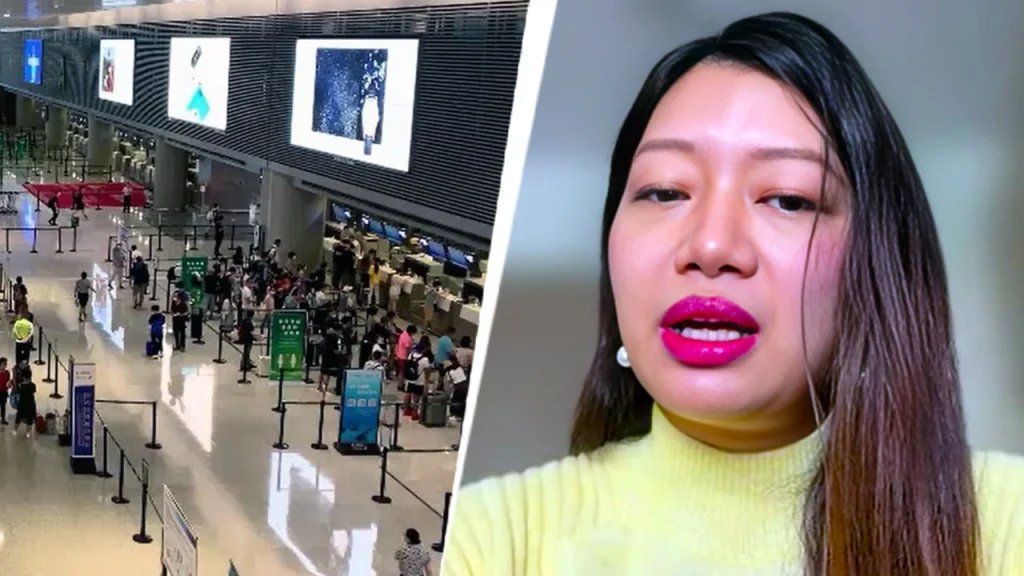
NATIONAL: Shanghai Rescue: Arunachal Woman Thanks Indian Embassy
Pema Wangjom Thongdok, a UK-based financial advisor from Arunachal Pradesh, turned to social media to share her harrowing 18-hour detention at Shanghai Pudong International Airport on November 21, 2025.
Traveling from London to Japan with a valid Indian passport and transit clearance, she faced outright rejection from Chinese immigration officials who deemed her document invalid over her birthplace.
In posts on X, she detailed the humiliation, including being confined without access to food or rebooking options, and tagged top Indian leaders for support.
Border Echoes at the Gate
The standoff quickly escalated into a flashpoint for longstanding territorial disputes.
Officials allegedly told Thongdok that Arunachal Pradesh, listed on her passport, falls under Chinese sovereignty, a claim India firmly rejects as an integral part of its territory.
Stranded in the transit lounge amid spotty Wi-Fi and blocked apps like WhatsApp, she reached out to the Indian Consulate in Shanghai via a UK friend, sparking immediate diplomatic wheels.
This wasn’t a mere paperwork snag; Thongdok described it as racial mockery, with guards mocking her origins during the prolonged hold.
Her ordeal highlights how Beijing’s assertions over Arunachal can spill into everyday travel, turning airports into unintended battlegrounds.
Swift Embassy Lifeline
Within an hour of her distress call, Indian officials from the Shanghai Consulate arrived on the scene, a response Thongdok praised as lifesaving.
They provided essentials like food and water, then engaged Chinese authorities in tense negotiations that secured her passport’s return and a late-night flight to Japan. “They stood by me when I felt utterly alone,” she later wrote, expressing deep gratitude to the team and all who amplified her voice.
Back home, Thongdok penned letters to Prime Minister Narendra Modi and the Ministry of External Affairs, urging accountability, disciplinary measures against the officials, and compensation for the trauma.
India lodged a formal protest in Beijing and Delhi, slamming the “ludicrous grounds” for the detention.
Beijing’s Firm Denial
China’s Foreign Ministry pushed back hard, with spokesperson Mao Ning insisting Thongdok faced no harassment or coercion.
Officials claimed she received full courtesies, including rest areas, meals, and drinks from the airline, all per regulations.
Beijing reiterated its stance on Arunachal, known domestically as “South Tibet,” framing the episode as routine processing rather than a targeted slight.
This exchange underscores the friction in India-China ties, where passport checks can ignite broader sovereignty rows.
Arunachal Chief Minister Pema Khandu decried the treatment as a “violation of international norms,” calling for safeguards against such indignities.
Unity Over the Noise
Safe in Japan, Thongdok brushed off online trolls questioning her account, noting her demanding career leaves little room for debates.
“The right people get it,” she posted, pivoting to a call for national solidarity: “We are one nation, undivided.” Her words resonate amid the backlash, reminding us that personal plights can rally collective resolve.
Key moments in the saga:
- November 21: Layover turns into 18-hour lock-in.
- Consulate arrives: Food, talks, and exit secured.
- Aftermath: Protests filed, unity messages shared.