

INTERNATIONAL: Pakistan Ministers Slam US Leaders, Stir Diplomatic Storm
As Pakistan Prime Minister Shehbaz Sharif gears up for a US visit, his cabinet’s provocative remarks have sparked tensions.
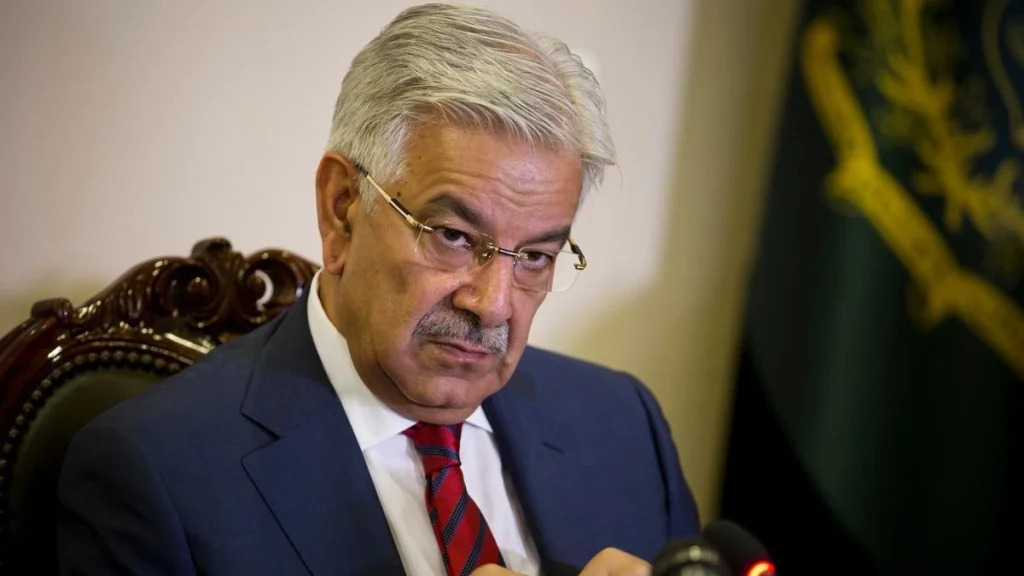
Defense Minister Khawaja Asif and Foreign Minister Ishaq Dar made bold statements, targeting American leaders and questioning US diplomatic efforts.
These comments, made ahead of high-level talks, risk complicating Pakistan-US relations at a sensitive time.
Khawaja Asif’s Corruption Allegations
In a candid interview with Geo TV, Asif accused US politicians of openly accepting bribes from Israel and its lobbies.
“We face accusations of corruption, but they do it in broad daylight,” he remarked, contrasting Pakistan’s alleged discreet practices.
He pointed to US military officials and House representatives, claiming they admit to receiving Israeli funds. Such statements have drawn sharp criticism for their inflammatory tone.
Ishaq Dar’s Rebuke to Trump
Foreign Minister Ishaq Dar took aim at US President Donald Trump’s claims of brokering an India-Pakistan ceasefire.
Speaking to Al Jazeera, Dar clarified that India consistently rejects third-party mediation, viewing the issue as bilateral.
He recounted a conversation with US Secretary of State Marco Rubio, who initially suggested neutral talks on May 10, 2025, but later confirmed India’s stance on July 25, highlighting stalled diplomatic efforts.
Timing and Implications
With Sharif and Army Chief Asim Munir set to visit the US, these remarks could strain discussions.
Asif’s allegations and Dar’s rebuttal come at a time when Pakistan seeks to mend ties with Washington after years of friction.
The outspoken comments may overshadow critical talks on trade, security, and regional stability, including issues like Jammu and Kashmir.
Broader Context of Tensions
Asif’s history of controversial statements, including past claims about Pakistan’s bureaucracy and militancy, adds fuel to the fire.
His latest accusations align with a pattern of deflecting domestic criticism by pointing to foreign systems.
Dar’s remarks reflect Pakistan’s frustration with external mediation efforts, emphasizing a need for direct dialogue with India on pressing matters like terrorism.
Potential Diplomatic Fallout
The statements have already sparked online debates, with critics questioning Pakistan’s approach ahead of a pivotal US visit.
The absence of a US response so far leaves room for speculation on how these remarks will shape upcoming engagements.
Pakistan’s leadership now faces the challenge of balancing domestic rhetoric with diplomatic tact to avoid alienating a key ally.