

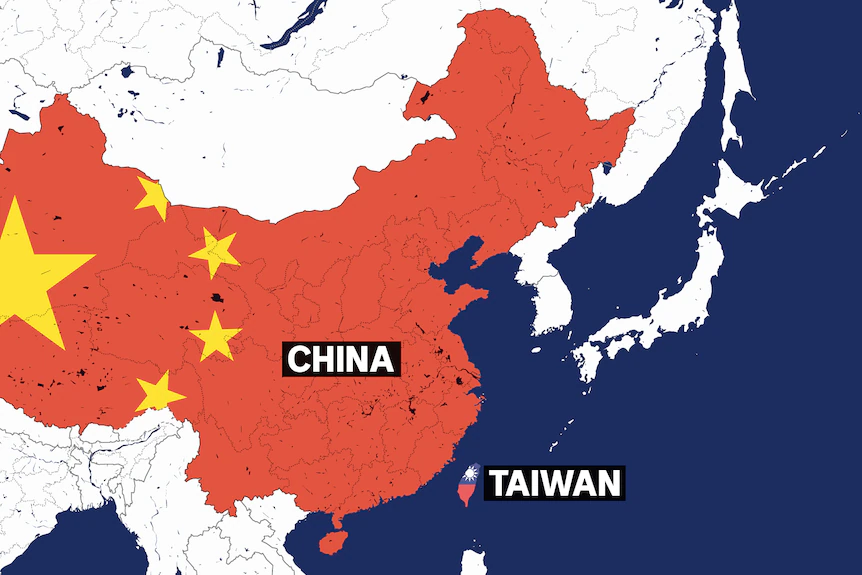
INTERNATIONAL: Japan Remarks Spark Fresh China-Taiwan Tensions
Japan’s Prime Minister Sanae Takaichi stirred international debate with her recent parliamentary comments.
She suggested that any forceful action against Taiwan could pose an existential threat to Japan, hinting at potential intervention to safeguard regional stability.
These words drew sharp criticism from Beijing, which viewed them as interference in internal affairs.
Analysts note how such statements reflect Tokyo’s growing concerns over cross-strait dynamics, especially amid rising military activities.
China’s Swift Military Mobilization
In response, Chinese forces launched extensive operations around Taiwan, deploying air, naval, and rocket units closer to the island. This move signals heightened readiness and a clear message to perceived adversaries.
Senior Colonel Shi Yi from the PLA Eastern Theater Command emphasized the drills as a firm deterrent. He highlighted their role in protecting China’s territorial integrity against external influences.
Inside Justice Mission 2025
The exercises, dubbed Justice Mission 2025, focus on testing combat preparedness across sea and air domains. They include simulations of blockading vital ports and seizing strategic superiority.
Live-fire components add intensity, with troops practicing coordinated strikes. Officials described the operation as essential for maintaining national unity in the face of separatist challenges.
US Weapons Deal Ignites Backlash
The buildup follows Washington’s approval of a massive arms package to Taiwan, valued at over $10 billion. This includes advanced missiles and radar systems to bolster the island’s defenses.
Taipei welcomed the support as crucial for deterrence, while Beijing condemned it as provocative. Such sales underscore ongoing US commitments to Taiwan’s security under longstanding policies.
Beijing’s Retaliatory Sanctions
China imposed penalties on 20 American defense firms, including Boeing and Northrop Grumman, plus 10 executives. Measures freeze assets and ban transactions, citing violations of sovereignty.
This step escalates economic pressure on US entities involved in the deal. It mirrors previous responses to similar transactions, aiming to discourage future involvement.
Regional Ripples and Concerns
The drills have prompted vigilance from neighboring countries, with patrols increasing in nearby waters. Residents in Taiwan express unease, hoping for de-escalation amid family gatherings and daily routines.
International observers worry about accidental clashes. Diplomatic channels remain open, but trust erodes as each side fortifies its position.
- Key elements: Air patrols, naval blockades, and rocket readiness.
- Duration: Ongoing with no set end date announced.
- Objectives: Warn against independence moves, affirm control.
Path Forward Amid Uncertainty
Leaders in Tokyo, Washington, and Taipei call for restraint, emphasizing dialogue over confrontation. Yet, with exercises underway, the region braces for potential shifts in the power balance.
Communities affected ponder the human cost of prolonged tensions. Efforts to ease friction may hinge on backchannel talks in the coming weeks.