

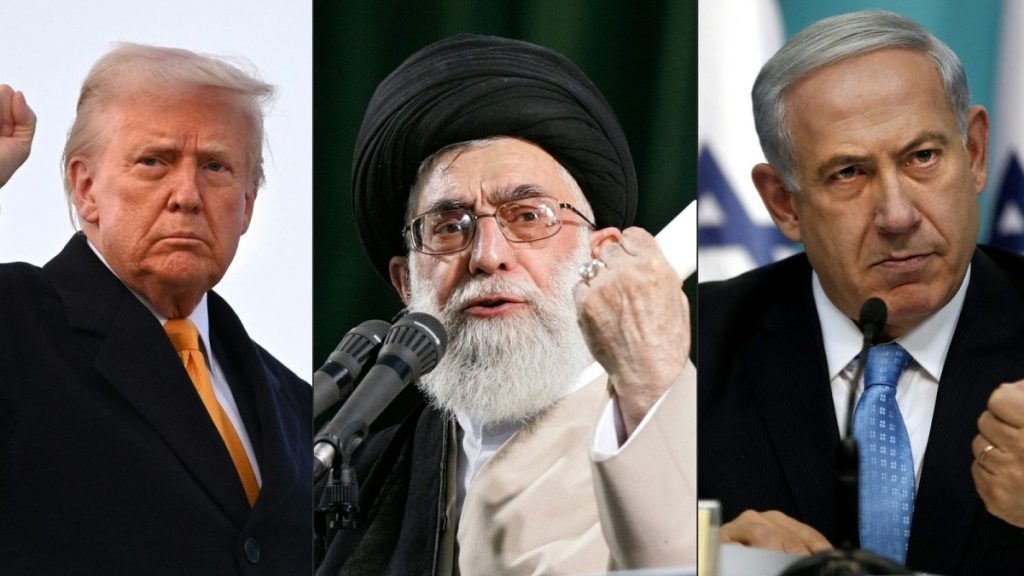
INTERNATIONAL: Iran-Israel Missile Strikes Defy Trump’s Ceasefire Declaration
Missile Strikes Target Tel Aviv
In the early hours of Tuesday, June 24, 2025, Iran launched six missiles targeting central and southern Israel, including Jerusalem and Beersheba. The Israeli Defense Forces (IDF) reported significant damage to a building in Beersheba, with several injuries, some severe. Air raid sirens echoed across multiple Israeli cities, prompting residents to seek shelter.
Iran’s Rejection of Ceasefire Agreement
Iranian Foreign Minister Abbas Araghchi initially refuted U.S. President Donald Trump’s claim of a ceasefire agreement, stating no such deal existed. He demanded Israel halt its aggression by 4 a.m. Tehran time, warning of continued conflict otherwise. Iran’s missile launches post-deadline underscore the absence of a formal truce.
Israel’s Retaliation and Ongoing Hostilities
Israel has not officially commented on the ceasefire claim, but reports indicate retaliatory actions as sirens were heard in Tehran. The IDF confirmed Iran’s missile attacks targeted strategic locations, escalating tensions. The reciprocal strikes suggest a breakdown in diplomatic efforts to de-escalate.
Trump’s Ceasefire Announcement
On Truth Social, President Trump announced a “complete and total ceasefire” between Iran and Israel, claiming the 12-day conflict would end within 12 hours. He asserted Iran had agreed to the truce. However, Iran’s subsequent missile strikes and denials contradict this narrative.
Iran’s Mixed Signals on Diplomacy
Following its initial rejection, Iran signaled conditional willingness to cease hostilities if Israel complied with the 4 a.m. deadline. Araghchi later claimed Iran’s military operations had concluded, praising its forces for defending against Israeli aggression. This ambivalence complicates prospects for peace.
Regional Implications and Mediation Efforts
The ongoing clashes, despite reported mediation by Qatar and the U.S., highlight the fragility of diplomatic initiatives in West Asia. The lack of confirmation from Israel and Iran’s continued military actions raise concerns about regional stability. Further developments hinge on both parties’ willingness to engage in dialogue.