

INTERNATIONAL: Iran-Israel Conflict: Cluster Bombs Escalate Tensions
Intensified Hostilities in West Asia
The ongoing conflict between Iran and Israel, now in its eighth day, has transformed West Asia into a volatile theater of military engagement. Both nations have engaged in reciprocal strikes, with Israel accusing Iran of deploying cluster munitions, marking a significant escalation in the conflict.
Iran’s Use of Cluster Bombs
Israeli authorities report that Iran has employed cluster bomb missiles for the first time in the current hostilities. These warheads, detonating at an altitude of 7 kilometers, fragment into approximately 20 submunitions, impacting multiple locations across central Israel.
Impact and Threat Assessment
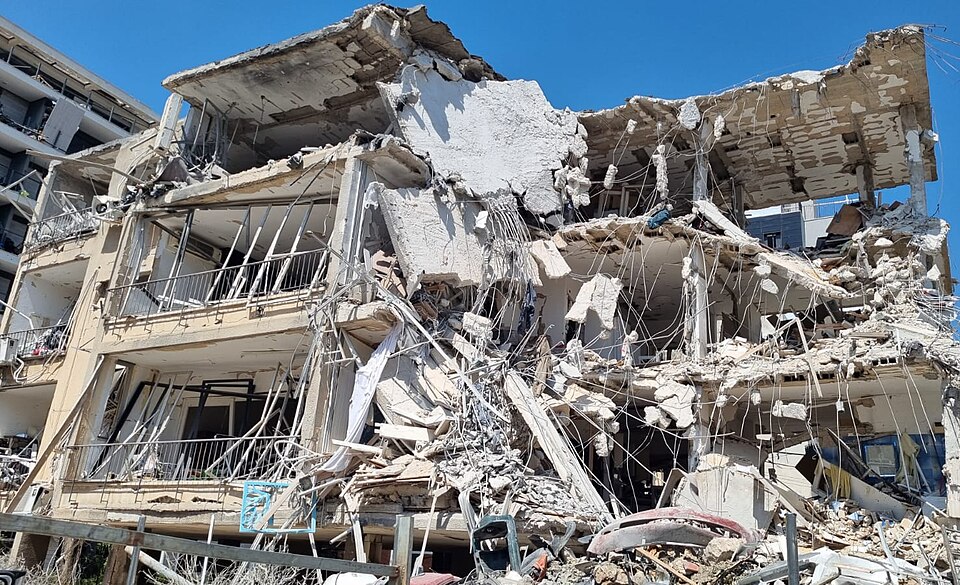
The Israeli Home Front Command indicates that these cluster munitions pose a heightened threat compared to conventional ballistic missiles due to their wide dispersal pattern. A missile struck a residence in Azor, though no significant casualties were reported.
Unexploded Ordnance Concerns
Israeli officials have warned that some submunitions remain undetonated, posing risks to civilian safety. The public has been urged to report any sightings of unexploded ordnance to authorities immediately to mitigate potential harm.
Israeli Military Response
Israel has intensified its airstrikes, targeting key Iranian military infrastructure and personnel. Recent operations have resulted in the elimination of several high-ranking Iranian officials, further straining bilateral relations.
Iran’s Leadership Transition
In response to these losses, Iran has appointed Majid Khademi as the new intelligence chief of the Islamic Revolutionary Guard Corps (IRGC). This leadership change underscores Tehran’s efforts to maintain operational continuity amid escalating tensions.
Regional and Global Implications
The use of cluster munitions and ongoing tit-for-tat strikes heightens the risk of broader regional destabilization. International observers are closely monitoring the situation, with calls for de-escalation to prevent further civilian harm and regional spillover.