

National: India’s Air: 1.7M Lives Lost, Silence Deafens?
Air pollution in India isn’t just a haze on the horizon—it’s a relentless thief, claiming over 1.7 million lives in 2022 alone. That’s a staggering 38 percent rise from 2010, painting a grim picture of how toxic air has woven itself into the fabric of daily existence. Fossil fuels, the shadowy culprits behind nearly half these tragedies, underscore a crisis that’s as economic as it is human, siphoning away billions while choking futures.
The latest Lancet Countdown on Health and Climate Change report, released October 29, 2025, lays bare these truths through the eyes of 128 experts from 71 institutions and UN agencies. It spotlights how unchecked emissions from coal, petrol, and household biofuels are amplifying health woes, from lung diseases to heart failures, in a nation already wrestling with climate’s double blow.
Fossil Fuels: The Hidden Executioner
Diving deeper, the report pins 44 percent of those 2022 deaths—752,000 souls—on fossil fuels like coal and liquid gas. Petrol in road transport alone fueled 269,000 fatalities, a stark reminder of how everyday commutes turn deadly. Meanwhile, household air from solid biofuels claimed 113 lives per 100,000 people, hitting rural areas hardest at 125 per 100,000.
Wildfire smoke added insult to injury, linking to an average 10,200 annual deaths from 2020-2024, up 28 percent from earlier decades. These numbers aren’t abstract; they echo in lost labor, with Indians facing 366 extra hours of extreme heat in 2024, costing $194 billion in potential income.
“Climate crisis means health crisis,” warns WHO Assistant Director-General Dr. Jeremy Farrar. Every degree of warming devours lives and livelihoods, he notes, but swift shifts to clean air and resilient systems could safeguard millions. It’s a call that feels urgent, almost personal, amid the inaction.
Forests Fade, Cities Choke
India’s green cover tells its own sorrowful tale: 23.3 million hectares vanished between 2001 and 2023, with 143,000 hectares lost just in 2023. Urban greenery shrank 3.6 percent over the past decade, leaving cities like Delhi gasping under concrete and smog.
The economic sting? Outdoor pollution’s premature toll hit $339.4 billion in 2022—9.5 percent of GDP—straining families and fueling a cycle of poverty and illness. Yet, the report glimpses hope: clean energy growth and local adaptations are proving that change isn’t impossible, just overdue.
Delhi’s Desperate November Gasp
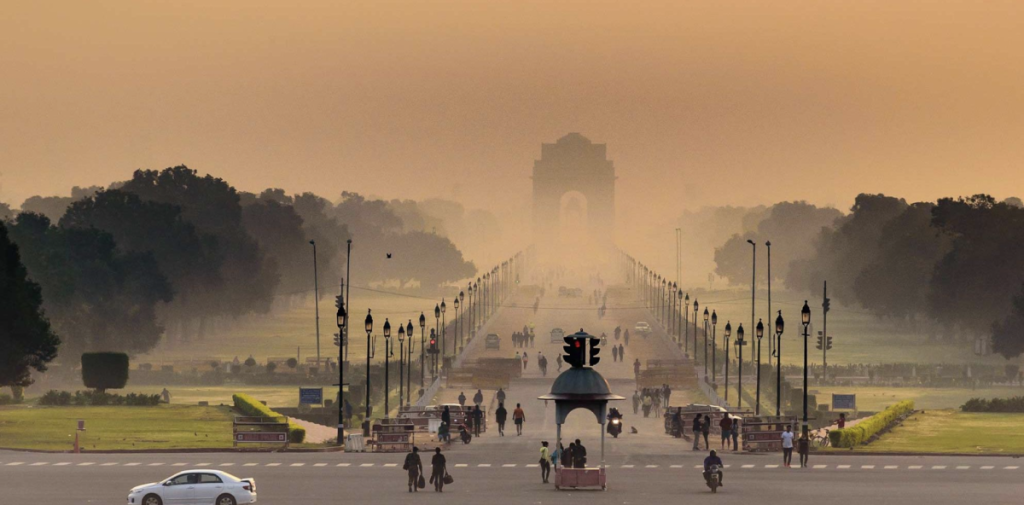
Timing couldn’t be crueler—the report drops as Delhi-NCR plunges into its annual smog nightmare. Recent Central Pollution Control Board data clocks PM2.5 at 488 micrograms per cubic meter last week, the highest in five years and worlds away from WHO’s safe 5 micrograms annual average.
Hospitals are overrun: respiratory cases surged 15 percent this month, with over 68,000 acute illnesses and 10,800 admissions in 2024 alone, per government figures. Elders and kids bear the brunt, battling sore throats, fatigue, and headaches that linger longer in tainted air.
Dr. Rajesh Chawla, pulmonologist at Apollo Hospitals, shares the frontline strain: “These pollutants spark cancer and weaken hearts over time. Recovery drags on, and we’re seeing patients who never needed us before.” It’s a human story amid the stats—parents shielding kids, workers pushing through dizziness.
- Pollution Hotspots in Delhi:
- Stubble burning: 38 percent of seasonal spikes
- Vehicle emissions: 20 percent of PM2.5
- Industrial output: Fuels long-term toxins