

NATIONAL: India Accelerates Chenab Projects Amid Treaty Suspension
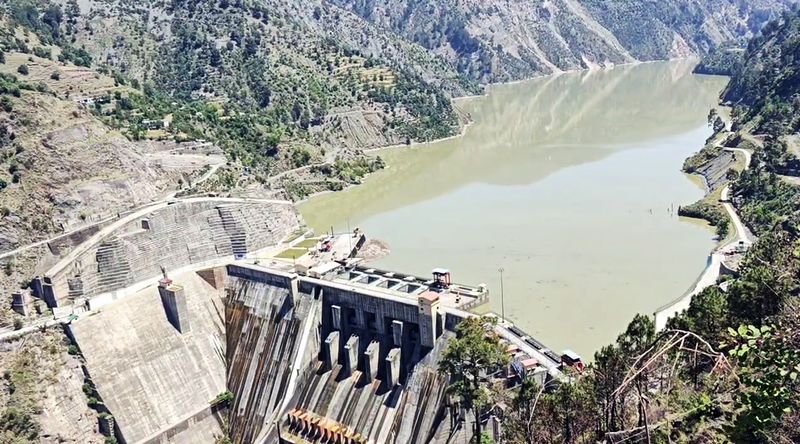
The Expert Appraisal Committee of India’s Ministry of Environment has recommended environmental clearance for the 260 MW Dulhasti Stage-II hydroelectric project.
This run-of-the-river scheme sits on the Chenab River in Kishtwar district of Jammu and Kashmir. NHPC will develop it as an extension to the existing 390 MW Dulhasti Stage-I plant.
Project Details and Timeline
Estimated at Rs 3,277 crore, the initiative requires 60.3 hectares of land, including 8.27 hectares of private property for acquisition. It leverages the current dam and intake structures, avoiding new major impoundments. With clearance in place, NHPC can now proceed to invite construction tenders, targeting completion around 2029.
Link to Treaty Suspension
Meeting records from December 19, 2025, explicitly note that the Indus Waters Treaty has remained suspended since April 23, 2025. This followed a deadly terrorist attack in Pahalgam that killed 26 civilians. India cited national security and alleged cross-border terrorism links as grounds for placing the 1960 agreement in abeyance.
Broader Strategic Push
The government aims to fully utilize its rights over western rivers like the Chenab. Several other hydropower schemes are advancing in parallel, such as the massive 1,856 MW Sawalkot project. Additional efforts focus on Ratle, Bursar, and Pakal Dul, signaling accelerated development in the basin.
Pakistan’s Strong Objections
Islamabad has condemned these moves as violations of the treaty framework. It has approached the United Nations and referenced prior Permanent Court of Arbitration rulings affirming jurisdiction over disputes. Officials there describe the actions as weaponizing water, raising alarms over potential impacts on agriculture and energy security.
Historical Context of the Treaty
Signed in 1960 with World Bank mediation, the agreement allocates eastern rivers to India and western rivers largely to Pakistan. It endured multiple conflicts but faced strains over hydropower projects and data sharing. The current suspension marks a rare break, tied directly to the Pahalgam incident.
Potential Implications Ahead
These steps could enhance India’s energy capacity while testing regional stability. Observers note that run-of-the-river designs limit consumptive use, yet tensions persist without bilateral dialogue. Future reassessments may depend on shifts in security dynamics or diplomatic channels.
Environmental Safeguards Required
The clearance includes conditions like post-commissioning impact studies after five years. NHPC must collaborate on a Chenab basin sustainability strategy with independent experts. Such measures aim to balance power generation with ecological concerns in a sensitive Himalayan region.