

New Delhi: Who Defines a True Indian? Priyanka’s Bold Rebuttal
Supreme Court’s Remarks Spark Controversy
On August 5, 2025, Congress leader Priyanka Gandhi Vadra robustly defended her brother, Rahul Gandhi, following the Supreme Court’s critical observations regarding his comments on the Indian Army. The Court’s remarks, questioning Rahul’s patriotism, stemmed from a defamation case linked to his statements during the 2022 Bharat Jodo Yatra.
Priyanka Challenges Judicial Overreach
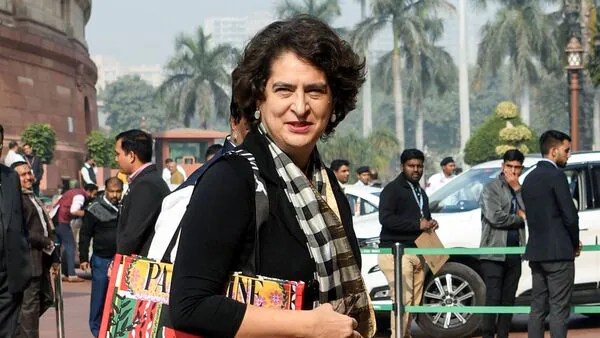
Speaking to the media outside Parliament, Priyanka asserted that determining an individual’s patriotism falls outside the judiciary’s purview. She emphasized that while the Congress party respects the judiciary, defining a “true Indian” is not within the courts’ mandate.
- Core Argument: Priyanka maintained that questioning the government is the fundamental duty of the Leader of Opposition.
- Respect for Judiciary: She reiterated the party’s deference to the Supreme Court while contesting its remarks.
Defending Rahul’s Stance on the Army
Priyanka clarified that Rahul Gandhi holds the Indian Army in the highest esteem and would never disparage it. She described the Court’s interpretation of his remarks as a mischaracterization, asserting that his role as Leader of Opposition necessitates raising critical issues.
Context of the Defamation Case
The Supreme Court, on August 4, 2025, stayed proceedings in a Lucknow court over Rahul’s alleged remarks about Chinese incursions and the Indian Army’s response during the 2020 Galwan clash. While granting interim relief, Justices Dipankar Datta and Augustine George Masih questioned the credibility of Rahul’s claims, sparking the controversy.
Historical Echoes of Citizenship Debates
Priyanka drew parallels to past allegations against Rahul, notably in 2019, when his citizenship was questioned. She reiterated that Rahul, born and raised in India, is indisputably an Indian citizen, dismissing such accusations as baseless and politically motivated.
INDIA Bloc Backs Rahul’s Role
Leaders of the INDIA bloc labeled the Supreme Court’s observations as “unwarranted,” arguing that Rahul’s duty as an opposition leader includes holding the government accountable on national security issues. They emphasized that his remarks were in the public interest, not against the armed forces.
Broader Implications for Free Speech
The controversy underscores tensions between judicial commentary and political discourse. Priyanka’s defense highlights the opposition’s right to critique government policies, raising questions about the boundaries of judicial critique in democratic frameworks.