

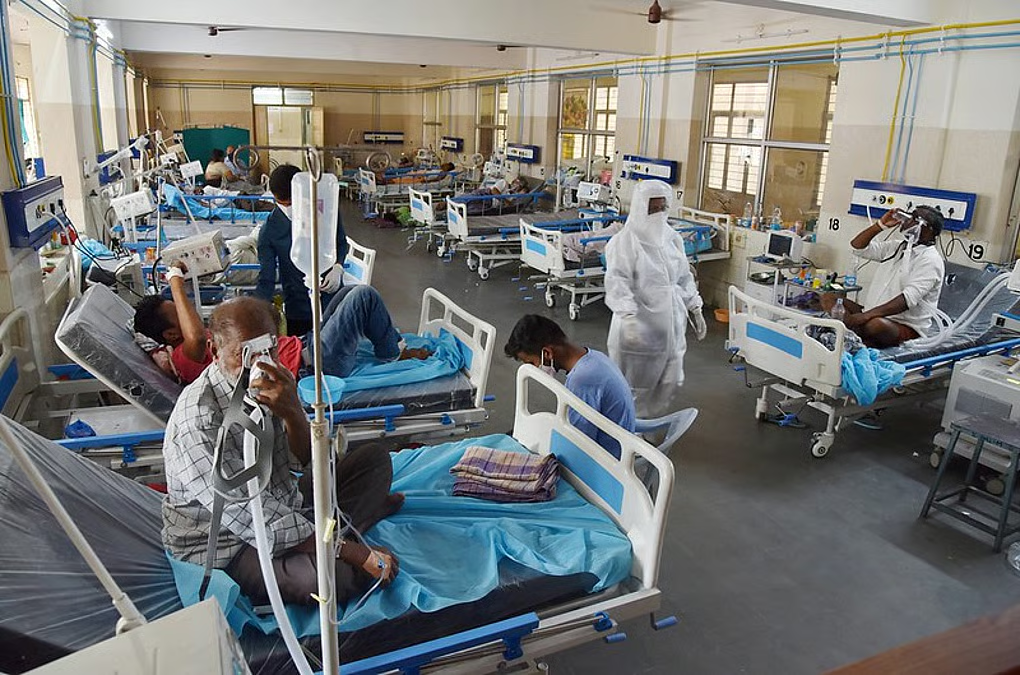
ANDHRA PRADESH: 4% Melioidosis Cases Detected in Turakapalem
In Turakapalem village, Guntur district, Andhra Pradesh, recent health screenings have uncovered four confirmed cases of melioidosis among 109 fever patients tested, equating to approximately 4 percent of the samples.
This bacterial infection, caused by Burkholderia pseudomallei, has been linked to a cluster of unexplained deaths in the area, prompting urgent investigations.
Ongoing Outbreak Concerns
The village has reported around 29 deaths over recent months, with melioidosis suspected as a key factor, particularly among those with underlying conditions like diabetes or kidney issues.
One of the four infected individuals has passed away, while the other three are receiving treatment and showing signs of recovery.
Health officials note that the disease thrives in soil and water, especially during monsoons, heightening risks for local farmers and livestock rearers.
Government Response and Screenings
Andhra Pradesh authorities, including Health Minister Satyakamar Yadav, have declared a public health emergency and launched comprehensive surveys.
Out of 2,018 adults screened for 42 health parameters, notable findings include:
- 7% with diabetes
- 6% with kidney issues
- 10% with liver problems
- Cholesterol concerns in 59 individuals
- Anemia in 48 people, 66% women
Teams from AIIMS Mangalagiri and other institutions are analyzing soil, water, and blood samples to trace the outbreak’s source.
Broader Implications
Similar conditions in nearby Kothareddypalem have led to orders for parallel studies, aiming to prevent spread.
Officials emphasize early antibiotic treatment for better outcomes, as untreated cases can be fatal. The state is bolstering surveillance apps for real-time alerts on rising mortality.
This situation underscores the need for vigilance in rural areas prone to environmental infections.