

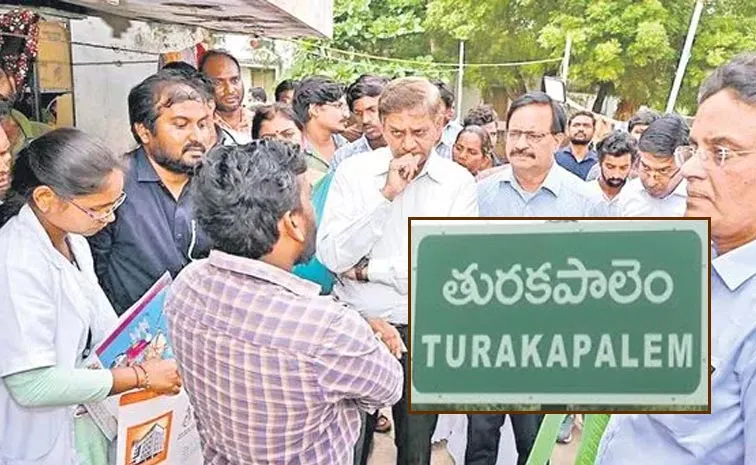
ANDHRA PRADESH: Turakapalem’s Death Toll Mystery
Alarming Mortality Surge Grips Village
Turakapalem, a village in Andhra Pradesh’s Guntur district, is reeling from an alarming sequence of 20 deaths over the past two months, shrouding the community in fear and uncertainty.
The unexplained fatalities, occurring at a near-weekly rate, have prompted urgent governmental intervention to address a potential public health catastrophe.
Suspected Melioidosis Under Scrutiny
Health officials initially suspected melioidosis, a bacterial infection caused by Burkholderia pseudomallei, due to symptomology including fever, cough, and pulmonary deterioration.
However, preliminary tests reported by Health Minister Satya Kumar Yadav found no evidence of melioidosis, deepening the mystery surrounding the outbreak.
Chief Minister’s Decisive Response
On September 5, 2025, Chief Minister Nara Chandrababu Naidu convened an emergency review, declaring the situation a health emergency.
He mandated comprehensive medical evaluations, including 42 diagnostic tests for all residents, with health profiles to be compiled by Monday to curb further casualties.
Multidisciplinary Investigation Launched
Naidu directed special medical teams to deploy over the weekend, emphasizing a holistic examination of environmental factors—air, water, soil, and food.
He authorized collaboration with AIIMS experts and international specialists to expedite identification of the causative agent.
Laboratory Analysis in Progress
Blood samples from affected individuals have been dispatched to a Chennai laboratory, with results anticipated within 72 hours. Authorities are exploring a viral etiology, alongside environmental and zoonotic transmission hypotheses, given the village’s reliance on animal husbandry.
Environmental and Lifestyle Risk Factors
Comorbidities such as diabetes, hypertension, and cardiovascular issues are prevalent in Turakapalem, potentially exacerbating vulnerability.
Local stone-crushing activities and high alcohol consumption are also under investigation as contributing factors to the health crisis.
Melioidosis: A Misdiagnosis?
Despite initial suspicions, melioidosis—transmitted via contaminated soil, water, or air during monsoons—has not been confirmed.
Vulnerable groups, including farmers and those with compromised immunity, face heightened risks from this pathogen, which requires six weeks of antibiotic therapy.
Governmental Accountability Questioned
Health Minister Satya Kumar expressed frustration over the district medical authorities’ delayed response, announcing an inquiry led by an IAS officer.
Disciplinary action against the District Medical and Health Officer is under consideration for lapses in reporting.
Community Gripped by Panic
The relentless fatalities have instilled pervasive dread among Turakapalem’s residents, with fears of further losses dominating local discourse.
Authorities are prioritizing public reassurance alongside rigorous medical interventions to restore stability.
Path Forward: Comprehensive Action Plan
The government’s multi-pronged strategy integrates extensive testing, expert consultations, and environmental assessments to resolve the crisis.
Community cooperation and adherence to medical guidance are deemed critical to averting further tragedy.