

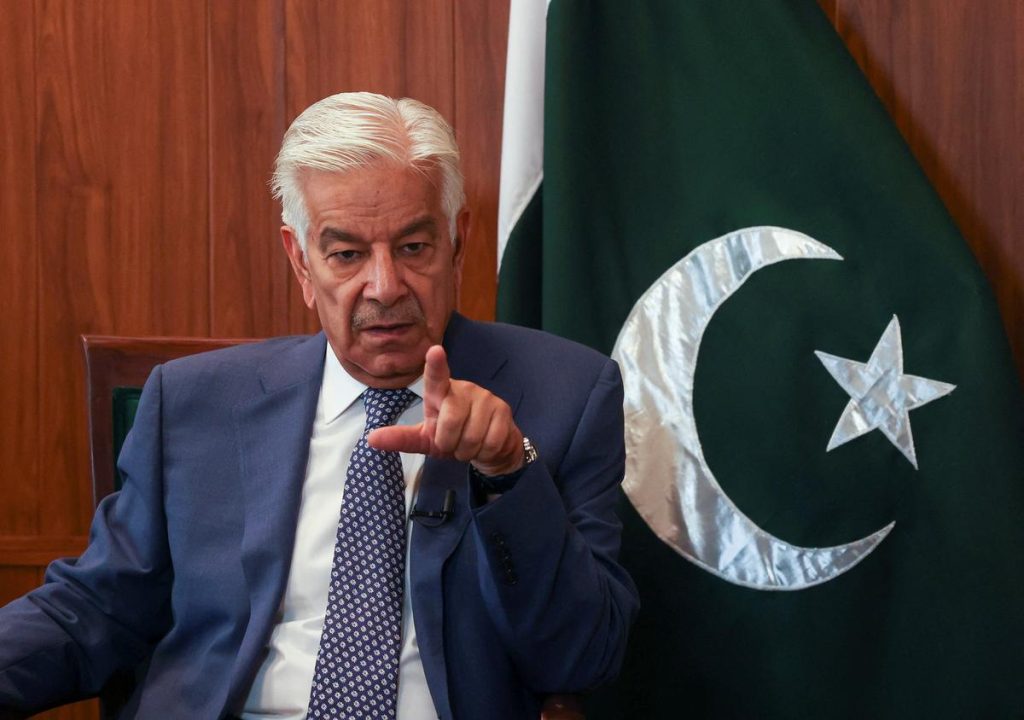
INTERNATIONAL: War With India Possible: Pakistan Defence Minister
India’s Operation Sindoor in May 2025, a swift retaliation to the Pahalgam terror attack, targeted nine militant camps across Pakistan and Pakistan-occupied Kashmir, claiming over 100 lives linked to groups like Jaish-e-Mohammed.
Though hailed domestically as a measured success, it left scars, with reports of downed jets fueling Islamabad’s narrative of resilience.
Five months on, the frontier simmers, as fresh rhetoric stokes fears of renewed hostilities.
Asif’s Defiant Stance
Pakistan’s Defence Minister Khawaja Asif, in a Samaa TV interview on October 7, dismissed de-escalation hopes, declaring the risk of war with India “very real.”
He invoked divine favor, stating Pakistan, born in Allah’s name, unites against threats, unlike a historically fragmented India.
“If it comes to war, God willing, we will achieve a better result than before,” Asif asserted, framing it as a riposte to Indian warnings.
Dwivedi’s Unyielding Line
The exchange traces back to Indian Army Chief General Upendra Dwivedi’s October 3 address in Rajasthan, where he urged Pakistan to halt state-sponsored terrorism or forfeit its place in history and geography.
“We will not show the restraint of Operation Sindoor 1.0,” Dwivedi cautioned troops, hinting at a fiercer “Sindoor 2.0” if provoked.
He rallied soldiers: “Be fully prepared. God willing, that opportunity will come soon.”
Tensions in the Crosshairs
These barbs underscore a cycle of accusation and bravado, with each side claiming moral and military high ground.
Asif’s words, laced with religious undertones, risk inflaming domestic fervor while testing diplomatic channels.
Meanwhile, Dwivedi’s directive signals India’s pivot toward proactive deterrence, born from lessons in past restraint.
Path to Uneasy Peace
As global eyes watch this nuclear flashpoint, the onus falls on dialogue to temper escalatory talk.
Yet with memories of Sindoor fresh and borders bristling, both nations tread a razor’s edge, where words could ignite the next chapter of strife.
Stability demands more than posturing; it calls for verifiable steps against terrorism’s roots.