

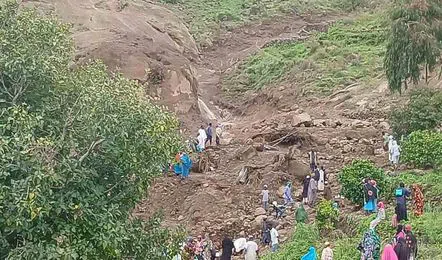
INTERNATIONAL: Sudan Landslide Claims Over 1,000 Lives
Catastrophic Event Unfolds
A massive landslide, triggered by prolonged torrential precipitation, obliterated an entire settlement in Sudan’s Jebel Marra region on August 31, 2025.
The geological upheaval razed the village of Tarseen, situated in the rugged Darfur terrain, amid escalating environmental vulnerabilities exacerbated by seasonal monsoons.
This incident underscores the intersection of climatic anomalies and regional instability in amplifying disaster impacts.
Escalating Casualty Assessment
Initial evaluations by the Sudan Liberation Movement/Army (SLM/A) indicate a preliminary death toll surpassing 1,000 individuals, with the settlement’s population entirely decimated except for a solitary survivor.
Contrasting reports from United Nations personnel cite at least 370 fatalities, highlighting discrepancies in on-ground verifications amid inaccessible locales.
The SLM/A emphasizes that the figure remains provisional pending comprehensive reconnaissance.
Geophysical and Meteorological Factors
The landslide ensued following a week of incessant heavy rainfall, saturating the mountainous strata and precipitating slope failure in the Marra Mountains.
Geological assessments reveal that such events are recurrent in Darfur’s volcanic highlands, where soil instability combines with deforestation and erosion to heighten risks.
This occurrence exemplifies the broader ramifications of climate variability on fragile ecosystems.
Humanitarian and Logistical Challenges
The SLM/A has issued an urgent appeal to the United Nations for aerial support in cadaver retrieval and forensic identification, as ground access remains impeded by ongoing hostilities and infrastructural deficits.
Regional conflict dynamics, including protracted civil unrest, compound relief efforts, diverting resources from disaster mitigation to security imperatives.
Broader Socio-Political Context
Darfur’s entrenched strife, involving rebel factions and governmental forces, has perpetuated humanitarian crises, with the landslide intensifying acute food insecurity affecting millions.
The SLM/A’s jurisdiction in the area facilitates localized reporting but underscores the need for impartial international oversight to corroborate casualty metrics and coordinate aid disbursement.