

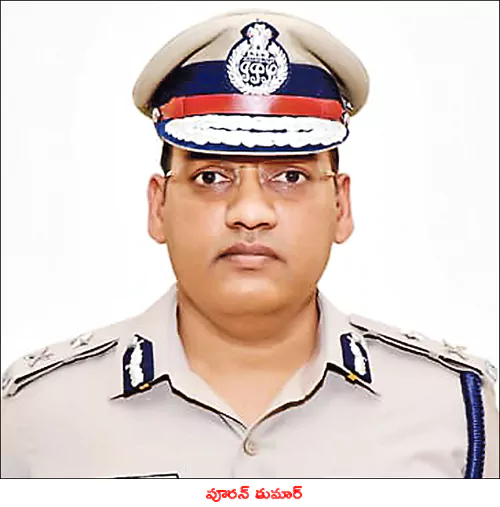
NATIONAL: Shadows of Bias: IPS Suicide Rocks Haryana
In a shocking turn of events, senior IPS officer Y. Pooran Kumar, aged 52 and serving as Additional Director General of Police in Haryana, took his own life by shooting himself at his Chandigarh residence on Tuesday.
His wife, IAS officer Amneet Kumar, has leveled grave accusations of caste-based harassment and systematic torment by top officials, sparking widespread outrage.
The tragedy unfolded amid Pooran’s growing concerns over administrative lapses and discrimination within the state police force.
As a 2001-batch officer from Andhra Pradesh belonging to the Dalit community, his death has ignited debates on entrenched biases in India’s law enforcement.
Wife’s Bold Accusations
Amneet Kumar, returning urgently from an official trip to Japan alongside Haryana’s Chief Minister, penned an eight-page suicide note on behalf of her late husband.
She detailed how relentless pressure from superiors eroded his spirit, culminating in this irreversible act.
In a direct appeal to Chief Minister Nayab Singh Saini, Amneet named DGP Shatrujeet Singh Kapoor and Rohtak SP Narendra Bijarnia, alleging they tampered with investigations into departmental issues.
She described a pattern of exclusion and undue scrutiny tied to Pooran’s caste identity.
Police Response and FIR
Chandigarh authorities acted swiftly, registering a First Information Report late Thursday against the implicated officers.
The charges invoke sections on abetment to suicide and provisions under the Scheduled Castes and Scheduled Tribes (Prevention of Atrocities) Act.
Key elements of the FIR
- Abetment leading to suicide under IPC Section 306
- Atrocities against SC/ST communities under the 1989 Act
- Potential probes into influence on internal inquiries
This formal step signals a commitment to transparency, though the investigation’s path remains under close watch.
Political Echoes
Chief Minister Saini met with Amneet Kumar in Chandigarh on Thursday, offering condolences and pledging a thorough review. Yet, the incident has drawn sharp political fire.
Congress leader Mallikarjun Kharge condemned the episode as a stark example of systemic inequities, linking it to what he calls the BJP’s adherence to outdated hierarchical norms.
Recent public statements by Pooran on caste dynamics in policing have resurfaced, fueling calls for structural reforms.
As Haryana grapples with this loss, questions linger on fostering equity in public service. Will this prompt real change, or fade into procedural footnotes?