

NATIONAL: Rahul Gandhi Mounts Fresh Attack on Modi Government Overseas
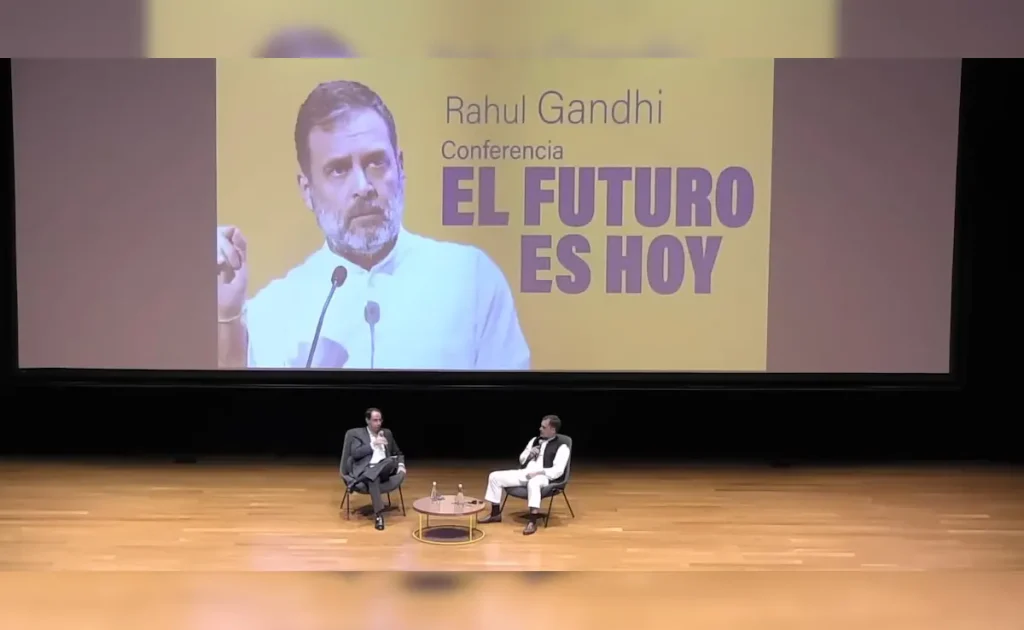
Rahul Gandhi, on a working visit to Colombia, has reignited a fierce debate over India’s democratic health.
Speaking at EIA University in Medellin, the opposition leader painted a grim picture of assaults on the nation’s institutions from every angle.
His words, delivered abroad yet aimed squarely at home, underscore a deepening political chasm.
This isn’t Gandhi’s first such critique from foreign shores, but the timing feels charged amid ongoing electoral tensions.
Supporters hail it as a clarion call; detractors dismiss it as grandstanding.
As echoes reach Delhi, the exchange lays bare the raw nerves of governance and opposition.
Gandhi’s Core Concerns
Gandhi zeroed in on what he termed a “wholesale attack” on India’s democratic framework.
He argued that efforts to centralize power erode the country’s diverse, decentralized ethos, posing the gravest risk to its future.
Drawing parallels to global patterns, he stressed how such erosions stifle voices and warp decision-making.
For Gandhi, safeguarding pluralism isn’t optional; it’s the bedrock of progress.
BJP Fires Back
The ruling Bharatiya Janata Party wasted no time in hitting back. Leaders branded Gandhi’s remarks as a tired ploy to tarnish India’s image overseas.
BJP MP Ravi Shankar Prasad accused him of a pattern: jetting abroad to “insult” the motherland while ignoring domestic realities.
Actress-turned-MP Kangana Ranaut joined the fray, calling it propaganda unfit for a statesman.
The party framed the outburst as opposition desperation, urging focus on unity over division.
Broader Implications
These barbs highlight a perennial flashpoint: when does critique become caricature?
Gandhi’s tour, blending diplomacy with discourse, aims to forge ties, yet it amplifies home-front rifts.
Observers note the irony of foreign platforms amplifying internal squabbles, a tactic both sides have wielded.
As Gandhi continues engagements in Latin America, the fallout could ripple through winter session debates.
In a nation of 1.4 billion, such volleys remind us that democracy thrives on contest, not consensus. Yet, when does spirited sparring tip into sabotage?