

NATIONAL: Operation Sindoor: India’s Strike Shatters Pakistan’s Air Power
Strategic Retaliation Post-Pahalgam
On May 7, 2025, India launched Operation Sindoor in response to the April 22 Pahalgam terror attack, which killed 26 civilians, targeting terrorist infrastructure in Pakistan and Pakistan-occupied Kashmir. The operation, executed with precision, aimed to neutralize key military and terrorist assets. Air Chief Marshal AP Singh, speaking at the 16th Air Chief Marshal LM Katre Memorial Lecture in Bengaluru on August 9, 2025, revealed unprecedented details of the operation’s success.
Unprecedented Air Combat Success
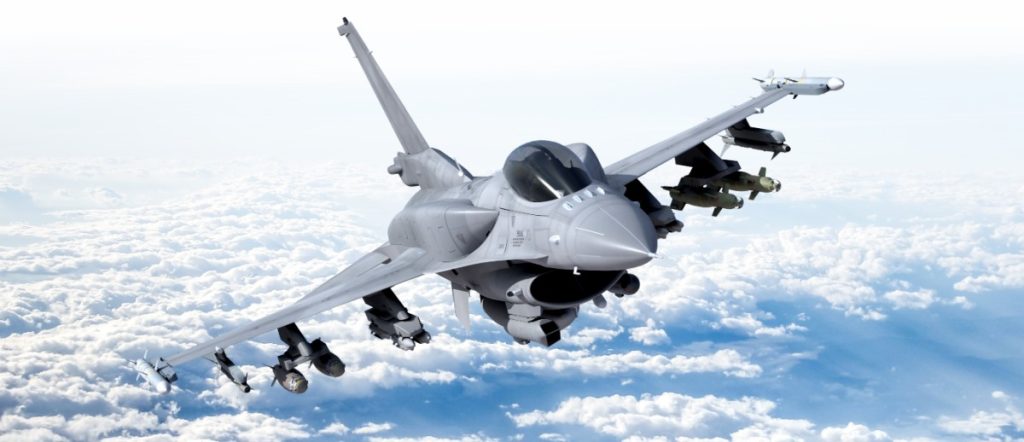
The Indian Air Force (IAF) achieved a historic milestone by downing five Pakistani fighter jets and one large aircraft, potentially an ELINT or AEW&C platform, at a range of 300 kilometers. Singh described this as “the largest ever recorded surface-to-air kill,” showcasing India’s advanced air defense capabilities. The operation also destroyed parked F-16 jets at Pakistan’s Shahbaz Jacobabad airbase, significantly impairing its air force.
Targeting Key Pakistani Infrastructure
Operation Sindoor struck critical Pakistani military targets, including command and control centers at Murid and Chaklala, and six radar installations. Singh presented before-and-after satellite imagery of the Bahawalpur Jaish-e-Mohammed headquarters, noting minimal collateral damage. The precision strikes on nine terror hubs eliminated over 100 terrorists and handlers, as confirmed by Defence Minister Rajnath Singh.
Role of S-400 Air Defense System
The S-400 air defense system proved pivotal, deterring Pakistani aircraft from deploying long-range glide bombs. Singh hailed it as a “game-changer,” crediting its range and efficacy for preventing enemy penetration. This technology underscored India’s strategic advantage during the 80–90-hour conflict.
Political Will and Coordinated Execution
Singh emphasized the operation’s success stemmed from “clear political will” and operational freedom granted by the government. The synchronized efforts of the IAF, Army, and Navy, guided by the Chief of Defence Staff and National Security Advisor, ensured precise and calibrated strikes. No restrictions were imposed, allowing the IAF to execute its objectives effectively.
Pakistan’s Push for Ceasefire
The intensity of India’s offensive compelled Pakistan to seek a ceasefire within days, with their Director General of Military Operations contacting India’s counterpart. Singh noted, “They realized continuing the conflict would exact a heavier toll,” leading to direct talks that halted hostilities. This contradicts US President Donald Trump’s claims of brokering the ceasefire.
Minimal Collateral Damage
The IAF’s strikes were designed to minimize civilian impact, with Singh showcasing imagery of intact adjacent structures at targeted sites. Unlike the 2019 Balakot strike, where proof of damage was debated, Operation Sindoor’s outcomes were substantiated by satellite and local media evidence, enhancing India’s credibility.
Geopolitical Ramifications
The operation has strained India-Pakistan relations, with India suspending the Indus Waters Treaty and imposing airspace restrictions, costing Pakistan Rs 4.1 billion in losses. Pakistan’s retaliatory airspace closure disrupted Indian carriers, highlighting the broader economic fallout. The conflict underscores India’s resolve to counter terrorism decisively.
Strategic Implications for India
Operation Sindoor has bolstered India’s military reputation, demonstrating its ability to execute high-tech warfare with precision. The success of the S-400 system and inter-service coordination signals India’s growing defense capabilities, potentially deterring future aggressions. However, escalating tensions may complicate regional diplomacy.
Future Outlook
As India continues to assert its stance against terrorism, the operation’s success could influence future military strategies and regional power dynamics. The IAF’s transparency in sharing operational details aims to reinforce public trust and counter misinformation, setting a precedent for future engagements.