

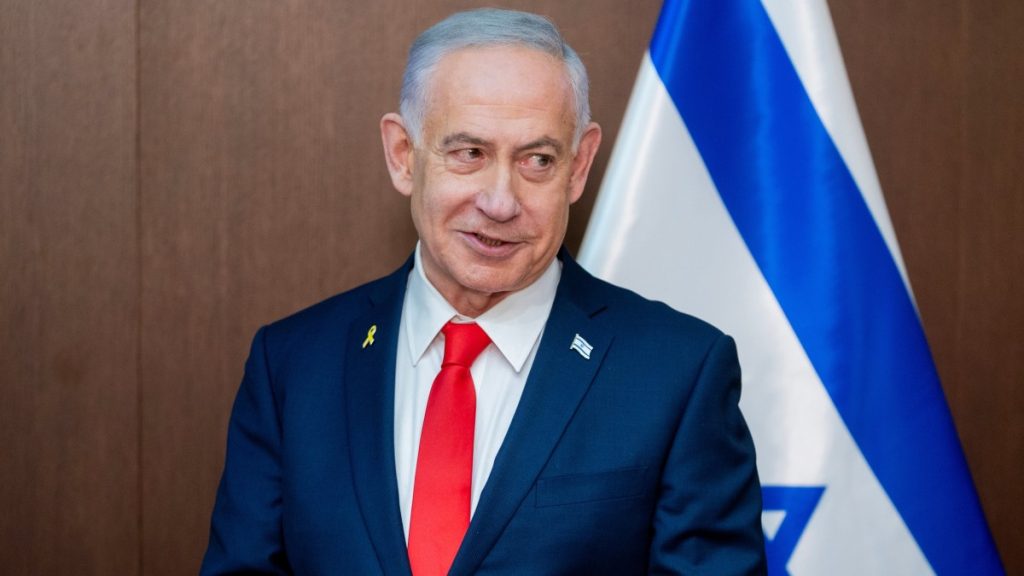
INTERNATIONAL: Netanyahu Pushes for Presidential Pardon, Points to Trial Burden
As Israel’s leader grapples with a courtroom marathon that’s lasted half a decade, a formal plea for clemency lands on the president’s desk, stirring talk of unity amid deep rifts.
With allies like Trump weighing in and the Vatican pushing for peace in the broader conflict, the stakes feel higher than ever.
Could one signature rewrite not just a trial, but a nation’s trust in its institutions?
Trial’s Toll on Leadership
Benjamin Netanyahu, Israel’s longest-serving prime minister, faces charges of bribery, fraud, and breach of trust across three interconnected cases that date back to 2019.
The proceedings, which kicked off in 2020, have dragged on through wars and political upheavals, marking the first time a sitting leader has testified as a defendant.
Netanyahu maintains his innocence, calling the accusations a politically motivated witch hunt.
Yet, the demands of court appearances, often three days a week, have pulled him from the helm during critical moments, from Gaza operations to diplomatic tightropes.
In a video statement, he framed the ordeal as a national wound, saying it fuels “fierce divisions” and hampers his ability to steer the country forward.
Formal Bid for Relief
On November 28, 2025, Netanyahu’s lawyers submitted a detailed 111-page request to President Isaac Herzog, followed by a personal letter from the prime minister himself.
No admission of guilt came with it; instead, the appeal hinges on “public interest,” arguing that ending the trial now would foster reconciliation and let him focus on threats like Iran and Hamas.
Herzog’s office labeled the move “extraordinary,” with “significant implications” for democracy.
The request heads to the Justice Ministry’s pardons department for expert input, including from legal advisors, before any recommendation reaches the president.
Pardons in Israel typically follow convictions, not mid-trial pleas, making this a rare test of the president’s ceremonial yet potent authority under Basic Law.
Trump’s Timely Backing
The push gained international heft when U.S. President Donald Trump, fresh from an October 2025 visit to Israel, penned a letter to Herzog earlier in November.
Trump called the case a “political, unjustified prosecution” and urged a full pardon, praising Netanyahu as a “formidable wartime leader” key to Middle East peace.
During his Knesset address in Jerusalem, Trump had already floated the idea publicly, drawing cheers from Netanyahu’s coalition but jeers from opponents who see it as meddling in sovereign justice.
Herzog acknowledged Trump’s “unwavering support” for Israel but stressed that formal requests must follow procedure, no shortcuts, even for allies.
Echoes of Division
Supporters, including far-right minister Itamar Ben-Gvir, hail the pardon as vital for national security, freeing Netanyahu to tackle existential risks without distraction.
Critics, from opposition leader Yair Lapid to watchdog groups like the Movement for Quality Government, decry it as a blow to equality before the law.
Protests popped up outside Herzog’s residence, with symbols like banana piles mocking fears of a “banana republic” slide.
Legal experts note that without remorse or resignation, approval seems unlikely, potentially deepening the very splits Netanyahu seeks to mend.
As the trial stretches toward judgments and appeals, the pardon debate underscores Israel’s fragile balance between accountability and stability.
Vatican’s Voice for Two States
Amid the domestic drama, global eyes turn to the Israeli-Palestinian impasse, where Pope Leo XIV doubled down on a familiar Vatican stance during his first overseas trip.
En route from Turkey to Lebanon on November 30, the American pontiff told reporters a two-state solution remains “the only path” to justice for both Israelis and Palestinians.
Leo, speaking after chats with Turkish President Recep Tayyip Erdogan, positioned his Holy See as a neutral mediator, urging dialogue despite Israel’s firm rejection of the framework.
He nodded to recent UN recognitions of Palestine while avoiding direct Gaza critiques, emphasizing fairness over fault.
Netanyahu has dismissed such calls, insisting a Palestinian state would empower groups like Hamas.
Yet, as ceasefires hold tenuously, Leo’s words remind us that internal trials pale against the quest for enduring peace.