

INTERNATIONAL: Military Coup Erupts in Madagascar
Military Seizes Control
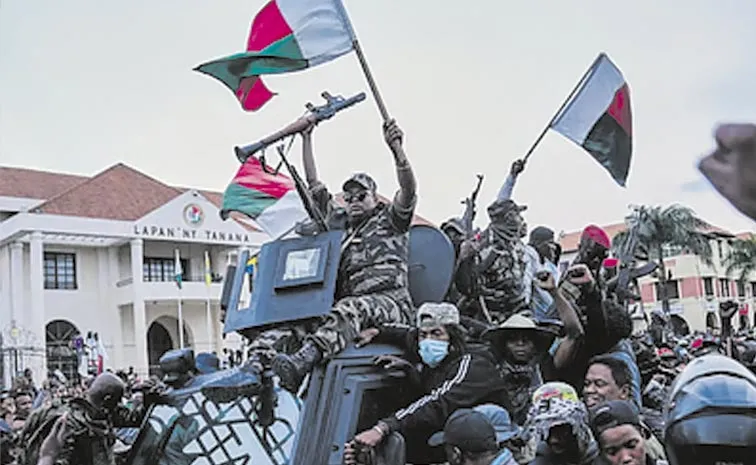
An elite army unit in Madagascar declared it had taken charge of the nation on October 14, 2025, following weeks of unrest.
Colonel Michael Randrianirina, head of the CAPSAT forces, broadcast the announcement on national radio, stating the military would dissolve key institutions to stabilize the situation.
This move came shortly after parliament impeached President Andry Rajoelina in a near-unanimous vote.
Lawmakers cited his abandonment of duties after he left the country amid escalating protests.
President’s Flight and Response
Rajoelina fled Madagascar over the weekend, reportedly aboard a French military aircraft, though French officials have not confirmed involvement.
His exact location remains undisclosed, with speculation pointing to nearby islands like Mauritius.
From exile, he used his Facebook account to declare the dissolution of the lower house of parliament.
He condemned the events as an illegal power grab and called for adherence to the constitution.
Roots of the Crisis
Youth-led demonstrations have gripped the capital, Antananarivo, for several weeks, fueled by frustrations over chronic poverty, frequent power outages, and unemployment.
Protesters, many from Generation Z, demanded Rajoelina’s resignation, accusing his administration of corruption and failing to deliver basic services.
The turning point arrived when CAPSAT soldiers joined the crowds, defecting from the government.
This unit, ironically, had supported Rajoelina’s rise to power in a 2009 coup.
Casualties and Public Reaction
The United Nations reported at least 22 deaths and over 100 injuries in the early days of clashes between security forces and demonstrators.
Hospitals in affected areas appealed for blood donations as violence peaked.
Crowds erupted in celebration upon hearing of the military’s announcement.
Many viewed it as a victory against long-standing grievances in a nation where three-quarters of the population lives in poverty.
Transition Plans Unveiled
Randrianirina outlined steps for a transitional phase, including the formation of a special council to oversee administrative functions.
He promised the swift appointment of a prime minister to lead a civilian government.
The military pledged to organize elections within 60 days, though some statements suggested a two-year transition period.
Analysts question whether this will bring genuine reform or perpetuate instability.
Historical Echoes
Madagascar has endured multiple political upheavals since independence in 1960, often tied to economic woes and disputed leadership.
Rajoelina’s seven-year tenure ends amid echoes of his own ascent, highlighting cycles of protest and military intervention.
The island’s strategic position in the Indian Ocean draws international scrutiny, with foreign powers like France historically influential.
Regional and Global Implications
Neighboring countries and the African Union have urged calm, condemning coups while calling for dialogue.
The events could disrupt trade and aid flows to Madagascar, already one of Africa’s poorest nations.
Observers note potential ripple effects on youth movements across the continent, inspired by similar uprisings elsewhere.