

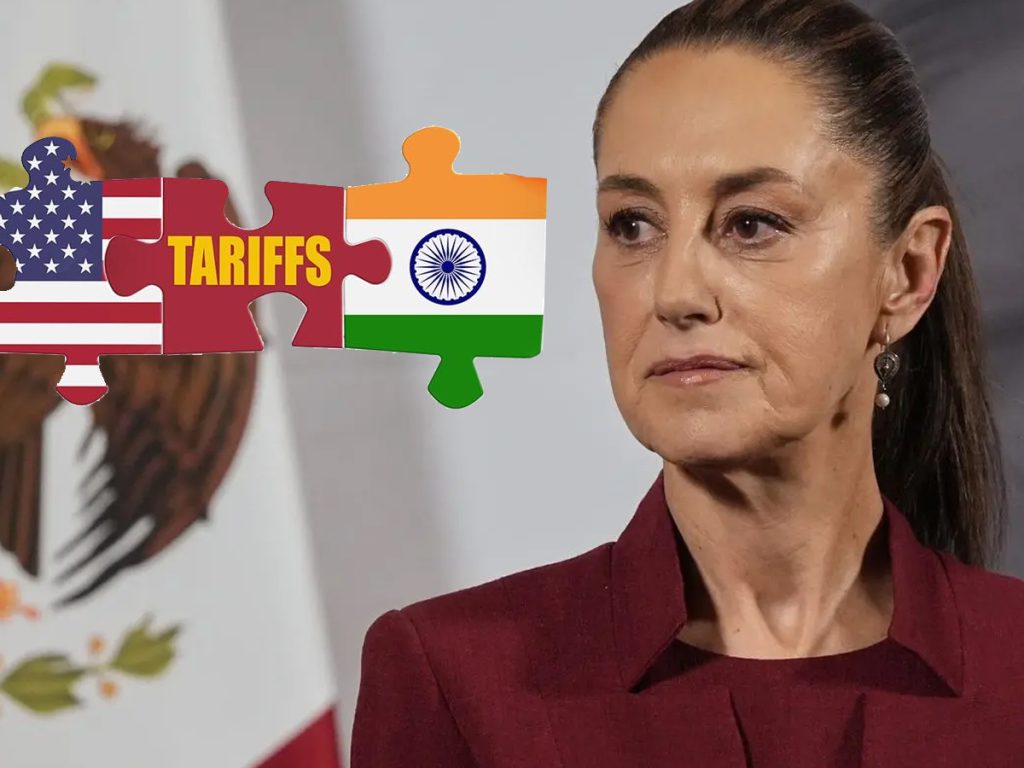
INTERNATIONAL: Mexico Slaps 50% Tariffs on Asian Imports
Mexico’s recent move to raise import duties on goods from several Asian nations marks a significant shift in its trade strategy.
The Senate’s approval of these measures signals a tougher stance against non-preferential trade partners, aiming to bolster local industries amid global pressures.
Legislative Green Light
Lawmakers in Mexico’s upper chamber passed the bill on December 11, 2025, paving the way for tariffs ranging from 5% to 50% on over 1,400 product categories.
These duties will apply starting January 1, 2026, and target imports from countries without free trade agreements with Mexico.
The lower house had already endorsed the proposal earlier in the week, ensuring swift implementation.
Scope of the Tariffs
The policy focuses on a broad array of goods, with most facing hikes up to 35%, though select items like automobiles and parts could see the full 50% levy.
Countries such as China, India, Vietnam, and Indonesia fall under this umbrella, as they lack comprehensive trade pacts with Mexico.
Exceptions exist for allies like the US and EU, preserving existing preferential rates.
Driving Forces Behind the Decision
This action aligns closely with United States trade policies, particularly in response to anticipated measures under the incoming Trump administration.
Mexican officials cite the need to curb unfair competition and prevent the country from serving as a conduit for evading higher US tariffs on Asian products.
Protecting domestic manufacturing jobs remains a core objective, echoing broader protectionist trends worldwide.
Sectors in the Line of Fire
- Automotive Industry: Car exports from India, valued at around $1 billion annually, face the steepest barriers, impacting brands like Volkswagen and Hyundai.
- Textiles and Apparel: Increased costs could disrupt supply chains reliant on low-cost Asian fabrics and garments.
- Plastics and Electronics: These categories, vital for Mexico’s export economy, will encounter higher input prices, potentially raising end-product costs.
Broader Trade Implications
Bilateral ties between Mexico and India, already modest at $15 billion in 2024, could strain further as exporters scramble to adapt.
While the tariffs aim to level the playing field for local producers, they risk inflating consumer prices and inviting retaliatory actions from affected nations.
Analysts watch closely for ripple effects in North American supply chains.
Future Outlook
As 2026 approaches, businesses on both sides of the Pacific prepare for negotiations or diversification strategies.
Mexico’s gamble reflects a calculated bet on stronger regional alliances, but success hinges on balancing protection with open markets.
This development underscores how interconnected global trade remains, even as borders harden.