

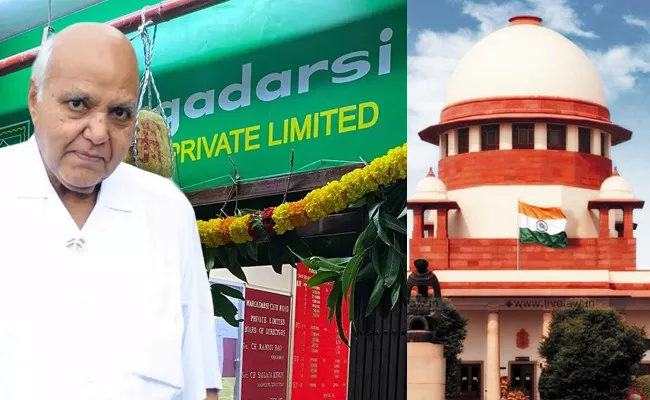
TELANAGNA: Margadarshi Freed: Telangana HC Quashes Criminal Case
High Court Dismisses Long-Standing Case
The Telangana High Court dismissed criminal proceedings against Margadarshi Financiers, granting the firm’s petitions to quash a case initiated in 2008. The decision marks the culmination of a protracted legal battle over alleged violations of Reserve Bank of India (RBI) regulations. The court’s ruling hinged on the absence of depositor complaints and the death of the firm’s former head.
Background of the Legal Dispute
The case originated from a 2008 complaint alleging that Margadarshi Financiers, linked to a Hindu Undivided Family (HUF), collected public deposits in violation of Section 45S of the RBI Act. The combined Andhra Pradesh and Telangana High Court had previously quashed the case in 2018, citing no grievances from depositors. However, the complainant appealed to the Supreme Court, which remanded the case for further review in April 2024.
Supreme Court’s Directive for Review
The Supreme Court instructed the Telangana High Court to reassess the necessity of continuing criminal proceedings, emphasizing input from depositors and stakeholders. The High Court issued a public notice on September 26, 2024, inviting claims from investors, as per the Supreme Court’s directive. No depositors responded, confirming that Margadarshi had repaid all deposits, bolstering the case for dismissal.
Key Factors in the Dismissal
The court’s decision was influenced by two critical factors: the repayment of all deposits and the death of Margadarshi’s former HUF head, Ramoji Rao. An interim application filed in January 2025 argued that surviving HUF members could not be held liable as accused. The absence of outstanding claims further undermined the need for continued prosecution.
Legal and Financial Implications
The ruling alleviates legal pressures on Margadarshi, affirming its compliance with repayment obligations. The case’s dismissal may set a precedent for similar disputes involving financial institutions and regulatory compliance. It also highlights the judiciary’s emphasis on tangible evidence of harm in sustaining criminal proceedings.
Divergent Stances of State Governments
Andhra Pradesh had opposed Margadarshi’s quashing petition, advocating for the transfer of Rs 5.15 crore in unclaimed funds from an escrow account to the state or RBI. Telangana, however, adopted a neutral stance, deferring to the court’s judgment. The High Court’s ruling effectively sidesteps these claims, prioritizing the lack of depositor grievances.
Judicial Efficiency and Public Notice
The Telangana High Court’s proactive measures, including the newspaper advertisement, ensured transparency in addressing depositor concerns. The absence of claims validated Margadarshi’s assertion of fulfilling its obligations. This process underscores the judiciary’s commitment to fair and expeditious resolution of remanded cases.
Broader Context of Regulatory Oversight
The case reflects ongoing tensions between financial institutions and regulatory bodies over deposit collection practices. The dismissal may prompt further scrutiny of RBI guidelines and their enforcement. It also raises questions about the accountability of HUFs in corporate financial disputes.