

TELANGANA: Maoist Ranks Crumble: Senior Leader Azad Surrenders
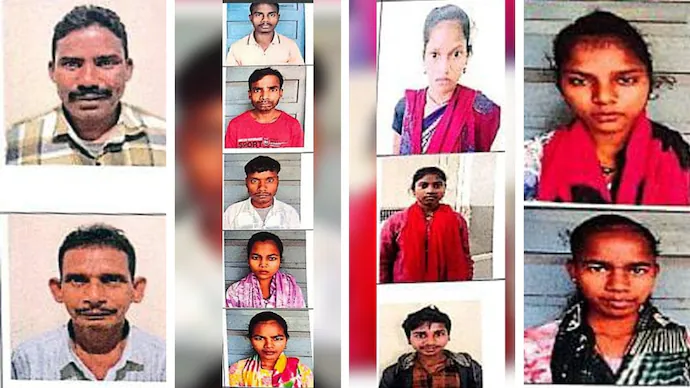
A group of 37 Maoist cadres stepped out of the shadows in Hyderabad on November 22, marking one of the largest coordinated surrenders in recent months.
This event, held at the Director General of Police office, underscores a growing shift among insurgents weary of endless conflict.
As families reunite and weapons are laid down, the moment raises quiet hopes for lasting peace in the region’s restive areas.
Key Figures Emerge from Hiding
Among those who surrendered, three hold significant roles within the CPI (Maoist) structure.
Koyyada Sambaiah, known as Azad, along with Appasi Narayana, alias Ramesh, and Muchaki Somada, alias Erra, all state committee members, chose to heed the call for reintegration.
Their decision highlights cracks in the group’s once-ironclad hierarchy, influenced by years of pressure and internal doubts.
The remaining 34 hail from Chhattisgarh, bringing a mix of experience from the group’s broader network.
Seven of the group handed over eight firearms, including an AK-47 rifle, two self-loading rifles, four .303 rifles, and a G3 rifle, plus 343 rounds of ammunition.
This haul, displayed publicly, symbolizes a tangible step away from violence.
Rewards and Immediate Support Flow In
Authorities moved swiftly to honor their choice, distributing immediate aid of Rs.25,000 to each individual, totaling Rs.9.25 lakh.
A larger bounty of Rs 1.41 crore, accumulated from government rewards on their heads, was also disbursed through cheques and demand drafts.
Notably, Azad and Narayana each carried Rs 20 lakh bounties, reflecting their prominence in past operations.
Under the state’s rehabilitation scheme, the Telangana trio will receive comprehensive packages, including job training and housing assistance.
Additional compensation aligns with Ministry of Home Affairs guidelines, ensuring a structured path back to civilian life.
These measures aim not just to reward but to rebuild lives fractured by ideology.
A Broader Tide of Disengagement
DGP B Shivadhar Reddy described the surrenders as a moral victory for Telangana’s balanced security approach.
He credited Chief Minister A. Revanth Reddy’s October 21 appeal during Police Martyrs’ Day, which urged cadres to abandon arms and contribute to state development.
Sustained police efforts, coupled with ideological rifts and operational strains, have eroded the group’s hold.
This latest group adds to a remarkable 2025 tally: 465 cadres have laid down arms, including two central committee members and 11 state-level leaders.
Reddy’s strategy blends enforcement with outreach, fostering an environment where doubt turns to defection.
Call to the Holdouts: Time to Turn Back
The DGP issued a direct plea to the remaining insurgents, noting 59 Telangana-based Maoists still at large.
Among them, five are central committee figures, with 10 in state roles, facing mounting isolation.
He assured full support for anyone ready to return, emphasizing family reunions and community involvement over continued flight.
As these fresh starts unfold, the surrenders prompt reflection on what truly ends insurgencies: force alone, or the promise of something better? In Telangana’s evolving landscape, the answer seems to lean toward the latter.