

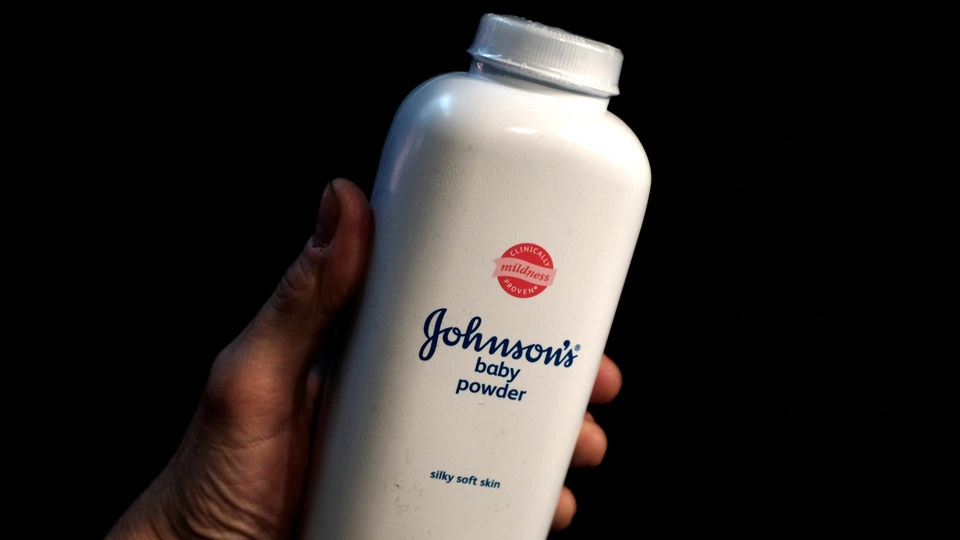
Lifestyle: J&J’s $40M Talc Verdict: Hidden Cancer Risks Unveiled
Verdict Breakdown
A Los Angeles Superior Court jury delivered a sharp blow to Johnson & Johnson on December 12, 2025. They ordered the company to pay $40 million in compensatory damages to two California women who linked their ovarian cancer to long-term use of its talc-based baby powder. The award splits evenly in feel, with $18 million going to Monica Kent and $22 million to Deborah Schultz, including her husband as a co-plaintiff.
Both women, lifelong California residents, described using the product daily for over four decades after bathing. Their stories highlight a pattern of trust turned to tragedy, as they only learned of potential dangers years after diagnosis.
Plaintiffs’ Core Claims
Kent and Schultz filed suit alleging the powder’s talc particles migrated internally, sparking inflammation that fueled their cancers. Diagnosed in 2018 and later, they argued Johnson & Johnson buried evidence of asbestos contamination and cancer links for decades.
In court, plaintiffs’ lawyers presented internal documents showing the company knew of risks as early as the 1970s but prioritized sales over safety. This evidence painted a picture of deliberate silence, leaving users like these women in the dark.
The women’s testimonies brought raw emotion to the trial, recounting disrupted lives, endless treatments, and family strains. Their resolve resonated, swaying the jury after just one day of deliberation.
Jury’s Key Rulings
The panel unanimously found Johnson & Johnson negligent in product design, manufacturing, and testing. They ruled the company’s failure to warn about talc dangers was a substantial cause of both cancers.
Additional findings included misleading marketing that downplayed health threats. However, jurors stopped short of malice or fraud claims, sparing the firm from punitive extras.
This outcome marks the first bellwether in California’s coordinated talc proceedings, setting a precedent for hundreds of pending cases. It underscores how regulatory gaps allowed such oversights to persist.
Ongoing Legal Battles
Johnson & Johnson has weathered thousands of talc lawsuits worldwide since the 2010s, with verdicts often flipping on appeal. Past payouts total billions, including a $4.7 billion Missouri award later slashed.
- Key past hits: $2 billion in New Jersey (2018), $550 million in Illinois (2023).
- Company defenses: Often cite lack of direct causation proof and point to FDA approvals.
- Recent shifts: J&J halted U.S. talc sales in 2020, reformulating to cornstarch.
Despite these, critics say the firm still fights disclosures, prolonging victim quests for justice.
Broader Industry Echoes
This ruling ripples beyond one company, questioning talc’s role in personal care. Health agencies like the WHO now flag genital talc use as a probable carcinogen, urging clearer labels.
For consumers, it serves as a stark reminder to scrutinize everyday items. Families affected urge faster reforms, hoping this verdict accelerates accountability across pharma giants.
Johnson & Johnson vows to appeal, calling the decision flawed. Yet for Kent and Schultz, it’s validation after years of pain, a step toward healing amid the fight.