

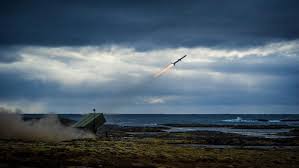
INTERNATIONAL: Israel’s $285M Nightly Battle Against Iranian Missiles
Israel’s escalating conflict with Iran has imposed staggering financial burdens, with nightly missile defense expenditures reaching $285 million. The Netanyahu administration faces mounting pressure to counter Iran’s relentless ballistic missile assaults. This report examines the strategic and economic implications of Israel’s air defense operations.
Operation Rising Lion Triggers Retaliation
Israel’s recent military offensive, dubbed Operation Rising Lion, targeted Iran’s nuclear infrastructure, prompting a fierce counteroffensive. Iran has launched over 400 ballistic missiles, straining Israel’s multilayered defense systems. Tehran’s strategy of frequent missile salvos aims to overwhelm Israeli interceptors.
Air Defense Systems Under Strain
Israel employs a sophisticated air defense network, including:
- Arrow System: Counters high-altitude ballistic missiles with $3 million interceptors.
- Iron Dome: Struggles against Iran’s advanced missile barrages.
- David’s Sling, Patriot, and THAAD: Bolster defenses but incur significant costs.
The Israeli financial daily The Marker estimates nightly defense operations cost $285 million, corroborated by U.S. officials citing Israeli intelligence.
Depleting Interceptor Reserves
Sustained Iranian attacks risk depleting Israel’s interceptor stockpiles within 10-12 days without U.S. resupply. Reports indicate low Arrow missile reserves, amplifying vulnerabilities. Iran’s tactic of using smaller, frequent missile waves exacerbates this strain.
Devastating Impacts on Israeli Infrastructure
Iranian missiles have struck critical targets, including:
- IDF headquarters in Tel Aviv
- A major oil refinery near Haifa
- An Israeli intelligence center
These attacks have resulted in 24 fatalities and 600 injuries, per Israeli government reports. The breaches highlight gaps in Israel’s defense capabilities.
Economic and Strategic Challenges
The $285 million nightly cost—equivalent to ₹2,400 crore—poses a severe economic challenge. A prolonged conflict could destabilize Israel’s defense budget, heavily reliant on U.S. aid. The Wall Street Journal notes Israel’s claim of destroying a third of Iran’s missile launchers, yet Tehran persists.
Future Outlook
Israel’s air superiority and layered defenses face a critical test. Without external support, the sustainability of its missile defense operations remains precarious. The conflict’s trajectory hinges on diplomatic or military de-escalation to avert further economic and human tolls.