

NATIONAL: India’s Strategic Silence on Trump’s Tariff Threat
US Imposes 25% Tariff on India
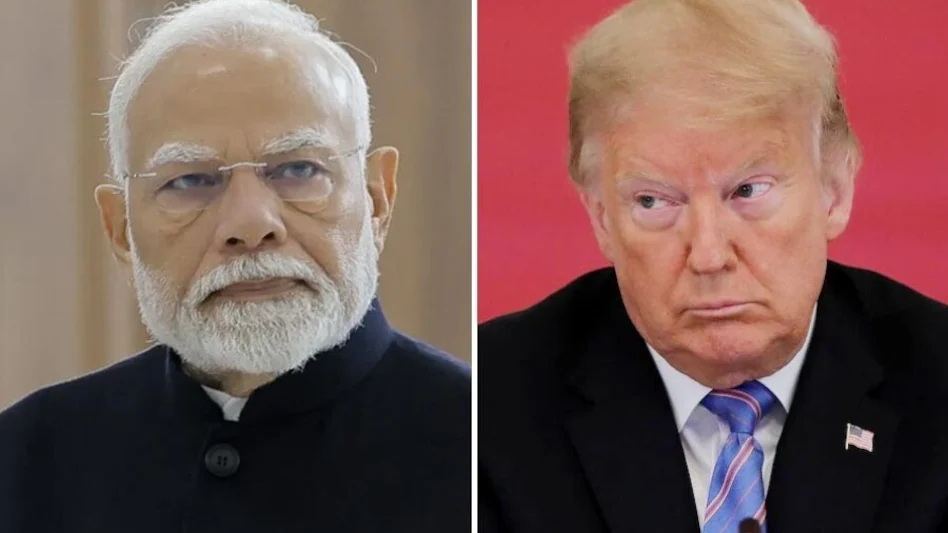
US President Donald Trump announced a 25% tariff on Indian imports, effective August 1, citing India’s high tariffs and its purchase of Russian oil and military equipment. An unspecified penalty was also introduced, targeting India’s trade ties with Russia. The move, unexpected amid ongoing trade talks, has escalated tensions between the two nations.
India’s Measured Response
Indian officials have ruled out immediate retaliatory measures, emphasizing diplomacy over confrontation. The government prioritizes constructive dialogue to safeguard mutual interests, with Union Commerce Minister Piyush Goyal assuring Parliament that India will protect its national priorities. Discussions with the US remain active, aiming for a balanced resolution.
Economic Resilience Highlighted
Dismissing concerns about economic fallout, officials underscored India’s robust growth trajectory. Goyal noted India’s transformation from a “Fragile Five” economy to the world’s fastest-growing major economy, contributing 16% to global growth. Past sanctions, such as those post-nuclear tests, were weathered when India was less developed, bolstering confidence today.
Sectoral Impact Concerns
Experts warn that Trump’s tariffs could disrupt key Indian sectors like pharmaceuticals, textiles, and automobiles, potentially shaving 40 basis points off India’s 2025-26 GDP growth. Exporters face uncertainty, with US buyers delaying orders pending clarity on penalties. The Federation of Indian Export Organisations urged swift government action to mitigate risks.
Trump’s Provocative Rhetoric
Trump’s social media posts labeled India and Russia as “dead economies,” urging them to “sink together.” The remarks, posted on Truth Social, criticized India’s high tariffs and trade with Russia, dismissing bilateral trade as minimal. The provocative rhetoric has sparked political reactions in New Delhi.
Rahul Gandhi’s Controversial Endorsement
Opposition Leader Rahul Gandhi echoed Trump’s “dead economy” claim, attributing India’s alleged economic collapse to policies like demonetization, GST flaws, and cronyism. His stance drew sharp rebuke from BJP leaders, who accused him of undermining India’s global standing. Congress allies, including Shashi Tharoor, distanced themselves, affirming India’s economic vitality.
Strategic Diplomacy Ahead
India’s government remains optimistic about a trade deal, with Goyal citing progress in negotiations started in March 2025. The Bilateral Trade Agreement aims to double trade to $500 billion by 2030. New Delhi’s refusal to retaliate aligns with its strategy to maintain stable US ties while protecting domestic stakeholders.
Global Context and Opportunities
India’s approach contrasts with other nations facing Trump’s tariffs, such as Brazil, which secured exemptions through defiance. Indian industry leaders see potential in global supply chain shifts, urging MSMEs to enhance competitiveness. The government’s focus on stakeholder consultations reflects a proactive stance.