

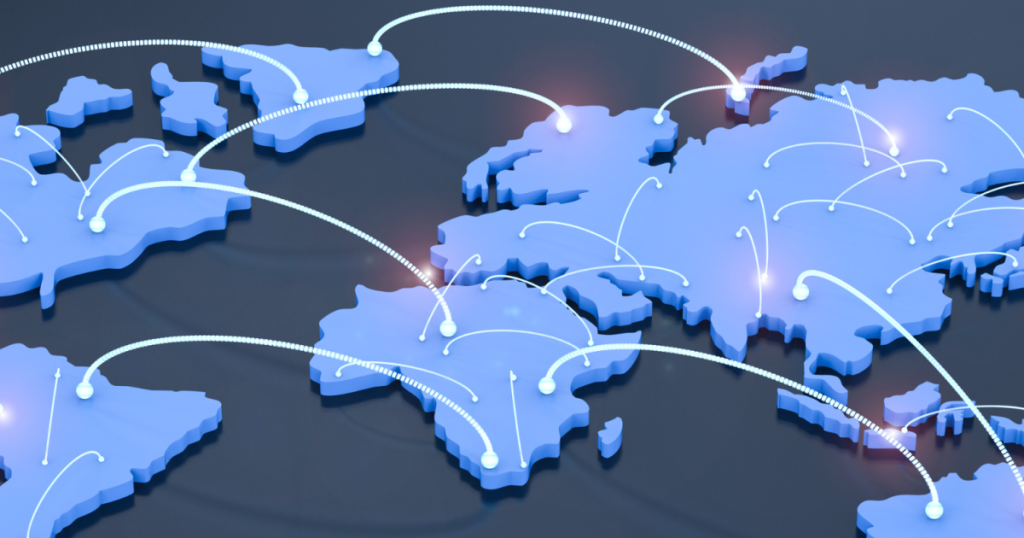
International: India’s Diaspora Dominates Global Migration Trends
UN Report Highlights India’s Lead
The United Nations has identified India as the largest source of international migrants, with 18.5 million individuals residing abroad in 2024, constituting 6% of the global migrant population. This figure reflects a tripling of Indian emigrants since 1990, underscoring India’s pivotal role in shaping global migration patterns.
Global Migrant Population Surge
The UN estimates the global international migrant stock at 304 million in 2024, a significant rise from 275 million in 2020, driven by factors such as economic opportunities, education, and geopolitical shifts. India leads as the top country of origin, followed by China (11.7 million), Mexico (11.6 million), Ukraine (9.8 million), and Russia (9.1 million).
Shifting Migration Destinations
Historically concentrated in Saudi Arabia and Pakistan, India’s diaspora has increasingly shifted toward Western nations and the Gulf Cooperation Council (GCC) countries. The United Arab Emirates (UAE) hosts the largest share, with Indian migrants comprising nearly 40% of its population.
Key Destination Countries
Indian migrants are prominently present in several nations, with notable populations in:
- UAE: 3.25 million
- United States: 3.17 million
- Saudi Arabia: 1.95 million
- Canada: 1.02 million
- Other significant destinations include Australia, Kuwait, Oman, Pakistan, Qatar, Bahrain, Malaysia, and the UK.
Demographic and Economic Impact
In the US, Indo-Americans form the second-largest Asian group after Chinese-Americans, contributing significantly to sectors like technology and healthcare. The GCC countries, particularly the UAE, rely heavily on Indian labor, with migrants forming a substantial portion of the workforce.
Gender Dynamics in Migration
Migration patterns vary by gender, with men predominantly moving to GCC countries for labor opportunities, while women are more likely to migrate to the US, often for education or family reunification. Nearly one-quarter of Indian migrant women reside in the US, with balanced gender ratios in Western nations.
Historical Context and Growth
India’s emigrant population has grown from 6.5 million in 1990 to 18.5 million in 2024, driven by historical events like the 1947 Partition and modern factors such as skilled migration and global labor demands. This growth has outpaced many other nations, reinforcing India’s global diaspora prominence.
Implications for Global Connectivity
The Indian diaspora fosters cultural and economic ties, promoting foreign investment, trade, and technological exchange. Their contributions highlight the strategic importance of migration in enhancing India’s global influence and economic integration.