

International: H-1B Shakeup: Elite by Feb 2026?
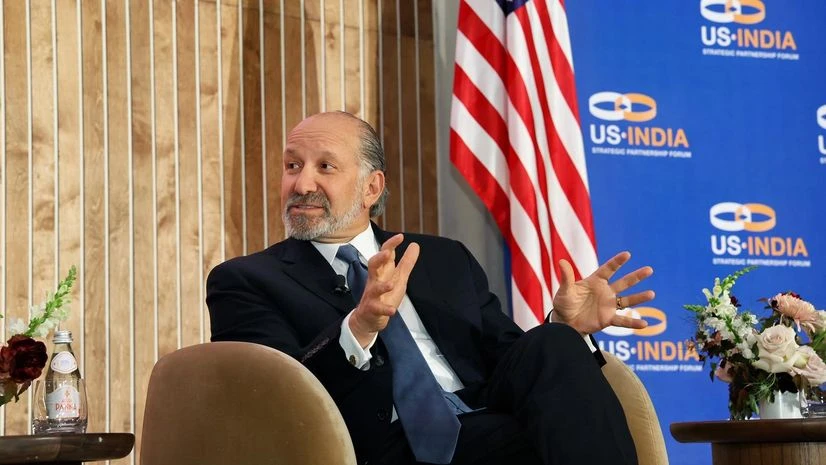
The United States is ramping up its scrutiny of H-1B visas, the lifeline for skilled foreign workers in tech and beyond. President Donald Trump’s recent executive order slapped a steep $100,000 one-time fee on new applications, sending ripples through global talent pools and corporate boardrooms. Now, Commerce Secretary Howard Lutnick hints at even deeper reforms, promising a system that weeds out the unqualified and prioritizes true expertise.
This push reflects a broader vision: safeguard American jobs while ensuring only top-tier professionals cross the border. Yet, as details emerge, the balance between innovation and protection hangs in delicate tension.
Fee Frenzy and Clarifications
Trump’s September 19, 2025, order ignited immediate backlash, especially among Indian IT firms reliant on these visas. Initial confusion peaked when Lutnick suggested the fee would recur annually, but White House Press Secretary Karoline Leavitt swiftly corrected: it’s a single payment for fresh petitions only, sparing renewals and existing holders.
Effective February 2026, this levy aims to curb oversubscription, where demand far outstrips the annual 85,000 cap. Lutnick, speaking on NewsNation, called the status quo “just wrong,” decrying how it allegedly floods the market with low-wage consultants and their families.
Lutnick’s Bold Outlook
In a candid interview, Lutnick forecasted “a significant number of changes” before the fee kicks in. He lambasted the 1990-era lottery system as outdated and illogical, questioning why a powerhouse nation relies on chance to select talent.
Expect tweaks to favor high earners and proven skills, he implied, to stem the tide of entry-level hires from consultancies. Such shifts could slash application volumes, reshaping hiring strategies overnight.
Overhauls on the Horizon
The Department of Homeland Security eyes salary-based prioritization, categorizing applicants into wage tiers for fairer selection. This would sideline lower-paid roles, elevating those with premium compensation and advanced credentials.
Key proposals include:
- Wage-linked registration boosts for higher brackets.
- Stricter audits on employer sponsorships to prevent abuse.
- Emphasis on roles filling genuine U.S. skill gaps, not displacing locals.
These align with Lutnick’s critique of a program “butchered along the way,” now seven to ten times oversubscribed, with 74% tied to tech consulting.
Congressional Pushback
On Capitol Hill, Senators Chuck Grassley and Dick Durbin introduced a bill targeting H-1B and L-1 visas, demanding tougher rules on foreign hiring. Their goal: curb corporate misuse and shield American workers from wage suppression.
Backers argue it promotes merit over volume, though critics warn of talent droughts in Silicon Valley. As February nears, these threads weave a tighter net, challenging global professionals to prove their worth like never before.