

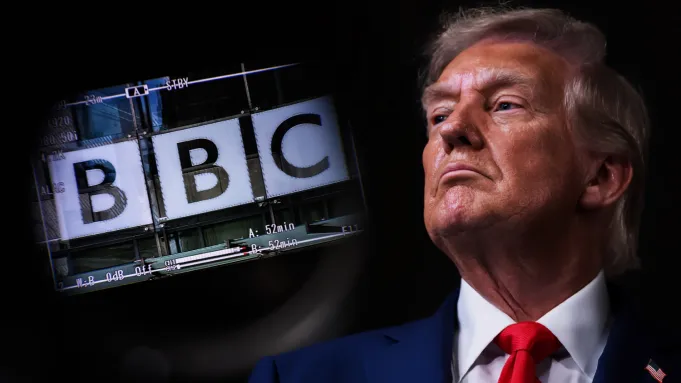
INTERNATIONAL: BBC Apologizes to Trump
In a rare public concession, the BBC issued a formal apology to U.S. President Donald Trump on Thursday for altering footage of his January 6, 2021, speech in a Panorama documentary.
The edit, which juxtaposed unrelated clips to suggest incitement, drew sharp criticism and prompted swift internal fallout at the broadcaster.
As tensions simmer across the Atlantic, this move underscores the high stakes in media accountability amid political divides.
Apology and Letter of Regret
BBC Chairman Samir Shah penned a personal letter to the White House, conveying deep regret over the “misleading” presentation of Trump’s remarks before the Capitol riot.
The statement acknowledged the sequence’s potential to distort the speech’s context, though it stopped short of admitting deliberate bias.
This gesture aims to mend frayed relations, yet it arrives amid Trump’s aggressive legal pushback.
The broadcaster’s full statement, released late Thursday, detailed the editorial lapse as an unintended error during production.
It emphasized BBC’s commitment to factual reporting while firmly denying any intent to defame.
Sources close to the matter indicate the apology was a calculated step to de-escalate, without conceding ground on broader claims.
Rejection of Compensation Demand
Trump had demanded $1 billion in damages, alleging the edit fueled a “witch hunt” narrative against him.
BBC leaders categorically refused, arguing the claim lacked merit and that the apology sufficiently addressed the issue.
Legal experts view this standoff as unlikely to reach courts soon, given jurisdictional hurdles between London and Washington.
The refusal highlights BBC’s financial independence as a public entity, funded by license fees rather than private interests.
Insiders note that paying out would set a dangerous precedent for global media facing populist leaders.
For now, both sides signal a desire to close the chapter, though Trump’s camp hints at ongoing scrutiny.
Leadership Shakeup at BBC
In the blast’s wake, Director General Tim Davie and News Director Deborah Turness stepped down, accepting full responsibility for oversight failures.
Their resignations, announced Friday morning, mark a pivotal shift at the helm of one of the world’s most trusted news organizations.
Davie, who led since 2020, cited the incident as a “profound lapse in standards” in his farewell note.
This turmoil reflects broader pressures on public broadcasters navigating polarized narratives.
As successors are eyed, the focus turns to rebuilding trust with audiences wary of perceived slants.
Broader Implications for Media
The episode revives debates on editing practices in documentary journalism, especially for high-profile events like the Capitol assault.
Critics argue it exposes vulnerabilities in fast-paced production, while supporters praise BBC’s quick correction as a model of transparency.
Trump’s reaction, amplified on social media, has rallied his base against “fake news” outlets once more.
Looking ahead, this could influence how international media handles U.S. elections and unrest.
With midterms looming, outlets may tighten protocols to avoid similar pitfalls.
Ultimately, it serves as a cautionary tale: one splice can echo for years in the court of public opinion.