

ANDHRA PRADESH: Andhra’s Deadly Scrub Typhus Surge Exposed
Scrub typhus infections in Andhra Pradesh have spiked notably this year.
While over 1,000 cases appeared each year in 2023 and 2024 without any recorded fatalities, 2025 has brought a grim shift with 22 deaths among positives.
This marks a worrying trend that demands immediate attention from health authorities.
District Hotspots
Cases span all districts, but Chittoor stands out with the most severe impact over three years.
It logged 548 positives in 2023, 514 in 2024, and 491 so far in 2025. Critics point to neglect by health departments in tackling underlying issues there.
Tirupati district reported 276 cases in 2023, dropping to 184 in 2024 and 99 this year.
For severity in 2025, Kakinada follows with 198 cases, then Visakhapatnam at 158. These areas highlight uneven disease pressure across the state.
Causes and Risks
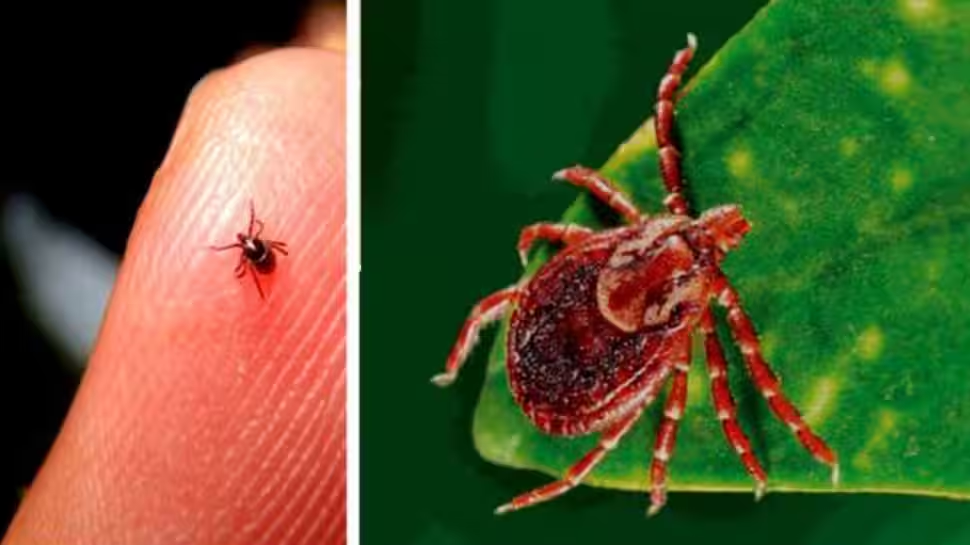
The chigger mite thrives in unclean environments, moist shrubs, and farmlands, biting humans and spreading bacteria.
Though not a new pest, its role in rising fatalities puzzles experts. Poor sanitation and low awareness of preventive steps worsen the situation.
People often mistake early symptoms for regular fever, using over-the-counter drugs before seeking hospital care.
This delay turns critical, leading to deaths despite assurances that timely detection ensures recovery. Rural workers face higher exposure risks.
National Concerns
Scrub typhus appears nationwide, yet Andhra Pradesh alone reports deaths this year, raising alarms.
Questions linger on why the bacteria seem more lethal here. Public health faces yearly threats from emerging infections.
Government Initiatives
The state plans genome sequencing to probe bacterial strains and origins.
A task force with national experts now oversees infectious disease control. Advisors from various medical fields guide responses based on evidence.
- Expanded testing labs for faster diagnosis
- Awareness drives on symptoms and prevention
- Stocked antibiotics at local health centers
These steps aim to curb spread and save lives through proactive measures.
Public Advice
Seek medical help at the first fever signs, especially with rashes or headaches.
Wear protective clothing in bushy areas and maintain clean surroundings. Early antibiotics like doxycycline can prevent complications.
Health teams stress education to avoid self-medication pitfalls. Community involvement is key to reducing risks in vulnerable spots.