

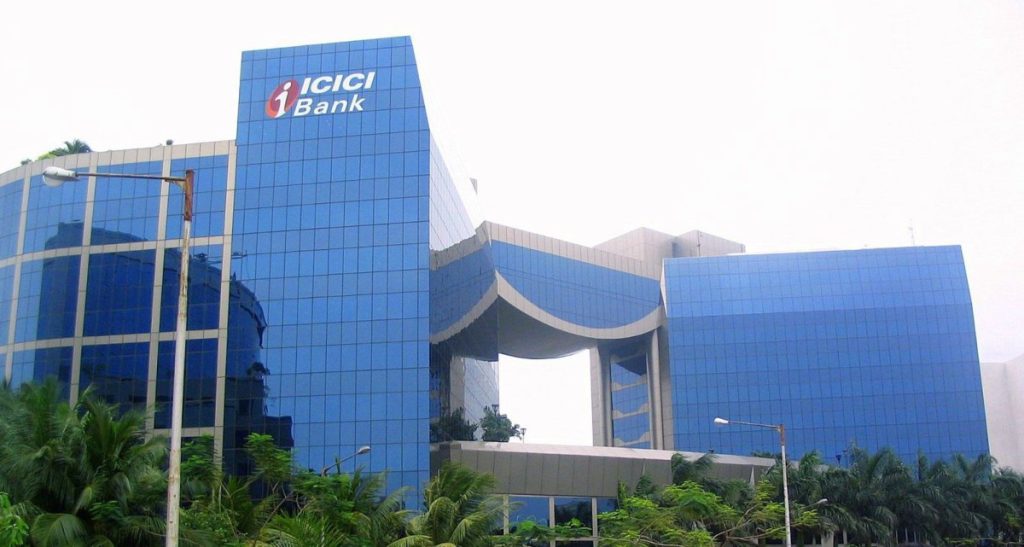
NATIONAL: ICICI Bank’s Balance Hike: A Bold Move or Customer Burden?
Steep Increase in Minimum Balance Requirements
ICICI Bank, India’s second-largest private lender, has significantly raised the minimum average balance (MAB) for new savings accounts, effective August 1, 2025. The revised policy applies to customers across metro, urban, semi-urban, and rural branches. This move sets a new industry benchmark, with ICICI imposing the highest MAB among domestic banks.
New MAB Thresholds Across Regions
For metro and urban customers, the MAB has surged from Rs 10,000 to Rs 50,000, a fivefold increase. Semi-urban account holders now face a Rs 25,000 requirement, up from Rs 5,000, while rural customers must maintain Rs 10,000, compared to the previous Rs 2,500. These changes apply only to accounts opened on or after August 1, 2025.
Penalties for Non-Compliance
Failure to maintain the stipulated MAB incurs a penalty of 6% of the shortfall or Rs 500, whichever is lower. ICICI advises customers to monitor their balances regularly to avoid these charges. The bank’s focus on premiumization targets high-net-worth clients, potentially alienating mass-market customers.
Revised Cash Transaction Rules
ICICI has also updated its cash transaction policies, allowing three free deposits or withdrawals per month, up to a cumulative value of Rs 1 lakh. Beyond this, charges of Rs 150 per transaction or Rs 3.50 per Rs 1,000 apply, whichever is higher. Third-party transactions are capped at Rs 25,000 each.
Comparison with Industry Peers
ICICI’s MAB requirements starkly contrast with competitors. HDFC Bank maintains a Rs 10,000 MAB for metro/urban areas, while Axis Bank requires Rs 12,000. The State Bank of India (SBI) eliminated MAB penalties in 2020, with other public sector banks like Punjab National Bank and Canara Bank following suit.
Strategic Shift Toward Affluent Customers
Banking analysts suggest ICICI’s hike reflects a deliberate pivot toward affluent and mass-affluent customers, aiming to boost cross-selling of financial products like insurance and investments. This strategy aligns with global banking trends but risks reducing accessibility for lower-income customers.
Impact on Existing and New Customers
Existing ICICI customers are unaffected by the new MAB requirements, retaining the previous thresholds. However, new customers must adapt to the elevated standards, which could prompt a shift to banks with lower or no MAB requirements, intensifying industry competition.
Broader Industry Trends
While ICICI raises its MAB, several public sector banks have waived non-compliance penalties to enhance inclusivity. This divergence highlights a split in banking strategies, with private banks like ICICI prioritizing premium segments and public banks focusing on accessibility.
Customer Implications and Choices
The hike may push customers toward zero-balance accounts, such as those under the Pradhan Mantri Jan Dhan Yojana, which remain exempt from MAB requirements per RBI guidelines. However, these accounts offer limited features, potentially limiting their appeal for some.
Future Outlook
ICICI’s move could trigger similar adjustments among private banks, reshaping India’s banking landscape. Customers may need to reassess their banking relationships, balancing higher balance requirements against service benefits, as competition for affluent clients intensifies.