

NATIONAL: Why Do PMs and CMs Escape When 50-Hour Jail Costs Commoners’ Careers?: Modi
Prime Minister’s Vehement Critique
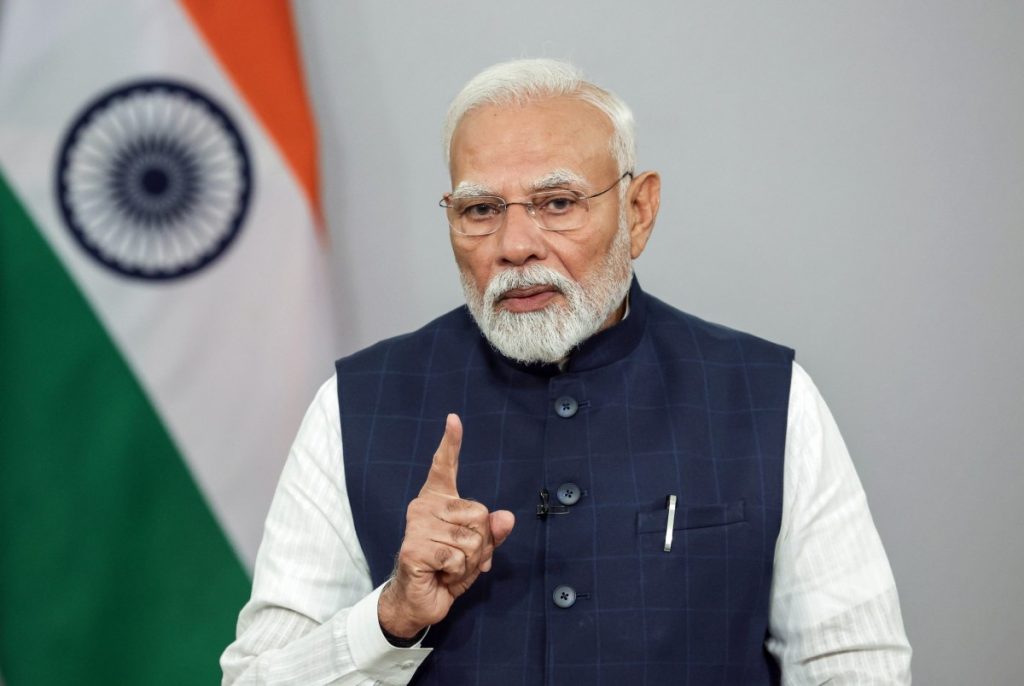
At a public gathering in Gaya, Bihar, Prime Minister Narendra Modi lambasted opposition factions for resisting legislative measures aimed at curbing corruption.
He highlighted the paradox of leaders from parties like RJD and Congress, either incarcerated or on bail, opposing a bill designed to enforce accountability among high-ranking officials.
Modi questioned the propriety of allowing chief ministers or prime ministers to retain office post-incarceration, drawing parallels with civil servants facing suspension after mere hours in custody.
Legislative Push for Accountability
The Constitution (130th Amendment) Bill, 2025, introduced by Union Home Minister Amit Shah, proposes stringent repercussions for elected officials detained on grave charges.
It mandates the automatic disqualification of a prime minister, chief minister, or minister if held in custody for 30 consecutive days on offenses punishable by five or more years of imprisonment.
This provision, now under scrutiny by a Joint Parliamentary Committee, underscores the NDA government’s resolve to eliminate governance from confinement, ensuring no exemptions, even for the nation’s highest office.
Opposition’s Resistance and Allegations
Modi accused opposition leaders of shielding their interests, citing their history of alleged financial impropriety during tenures at state and central levels.
He referenced instances of leaders issuing directives from jail, undermining efforts to eradicate systemic corruption.
The opposition, including Congress and RJD, contends the bill risks executive overreach, potentially weaponizing investigative agencies to destabilize non-aligned governments, a concern echoed in parliamentary protests.
Broader Anti-Corruption Agenda
The prime minister framed the legislation as integral to restoring public trust in governance, contrasting it with the alleged mismanagement under previous regimes.
He emphasized that the bill’s scope encompasses all echelons of power, reinforcing a zero-tolerance stance against malfeasance.
Modi also alluded to broader demographic and security initiatives, including measures to address illegal infiltration, as part of his administration’s holistic governance reforms.