

International: Trump’s H-1B Fee Bombshell Cleared by Court
Ruling Sparks Debate
A federal judge has given the green light to the Trump administration’s plan to slap a $100,000 fee on new H-1B visa applications. This decision dismisses a legal challenge from the US Chamber of Commerce, which argued the hike clashed with existing laws.
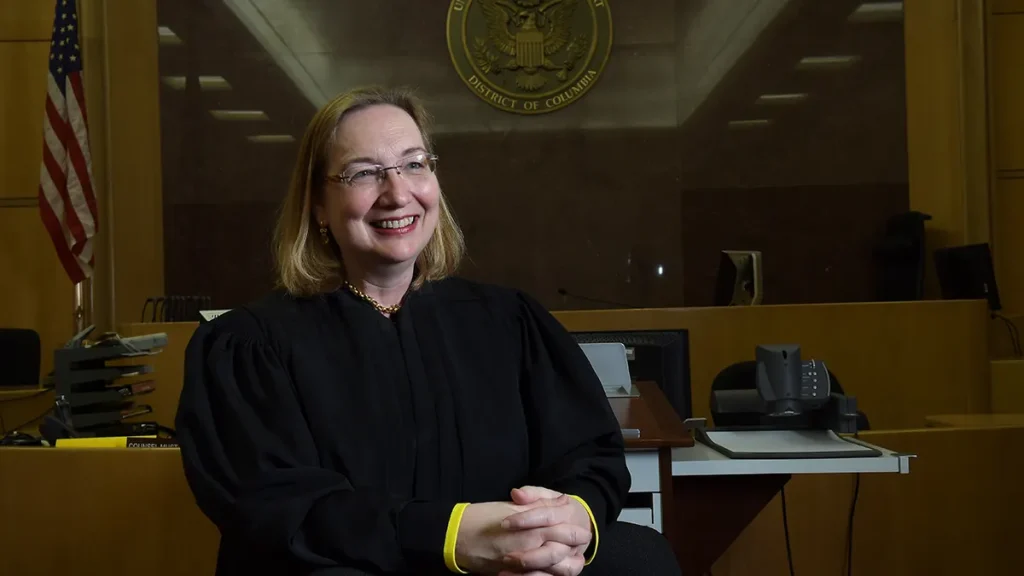
Judge Beryl Howell ruled that the president holds broad powers on immigration matters tied to economic and national security concerns. Her opinion underscores how such executive actions can reshape visa policies overnight.
Fee Hike Details
Current H-1B filing fees range from $2,000 to $5,000, depending on the employer size and petition type. The new rule jumps this to $100,000 for fresh applications, aiming to curb what the administration sees as program abuse.
This change hits hardest for smaller tech firms relying on global talent to fill specialized roles. Larger companies might absorb the cost, but many worry it will stifle innovation across the board.
Broader Policy Shifts
Beyond fees, the administration is ditching the random lottery system for H-1B visas. In its place comes a weighted selection favoring applicants with top skills and higher salaries.
Set to kick in on February 26, 2026, this model prioritizes American workers by making it tougher for entry-level foreign hires to qualify. Supporters say it levels the playing field, while critics fear a talent drain from the US.
Industry Backlash
Tech leaders and business groups express deep frustration, claiming the fee will hamstring their ability to compete globally. The US Chamber warns of setbacks for the economy, as firms may shift operations abroad to access skilled workers.
- Smaller IT outfits face the biggest pinch, potentially cutting back on hires.
- Democratic states and labor unions join the opposition, hinting at broader pushback.
Potential Appeals Ahead
Dissatisfied parties are gearing up to challenge the ruling in higher courts. This could escalate all the way to the Supreme Court, prolonging uncertainty for immigrants and employers alike.
Immigration experts note that while the fee applies now, exemptions and clarifications from USCIS offer some relief in specific cases. Still, the move aligns with Trump’s long-standing push for stricter controls.
Long-Term Impact
Foreign professionals eyeing US jobs now face steeper barriers, reshaping dreams of working in America’s tech hubs. Companies must rethink strategies, perhaps investing more in domestic training programs.
Yet, as debates rage, this policy reinforces a protectionist stance that could redefine global talent flows for years.