

International: Saudi Snowfall: Climate Crisis Echoes Worldwide
Unexpected Winter Scene
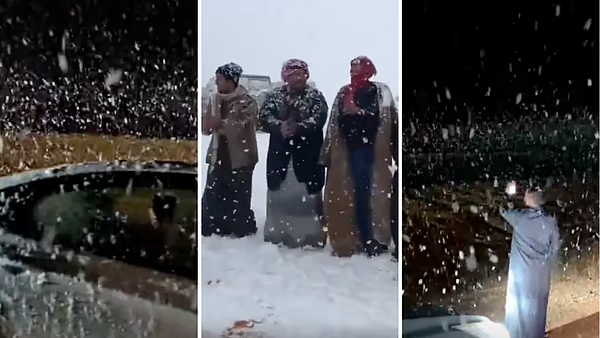
In mid-December 2025, Saudi Arabia‘s northern regions like Tabuk and Hail transformed into snowy landscapes after nearly three decades without such events. Red sand dunes and mountains turned white as temperatures plummeted, creating viral images on social media.
Locals and tourists marveled at the beauty, but experts quickly pointed out the underlying concerns tied to shifting weather patterns.
Causes Behind the Snow
This rare snowfall stems from unusual cold fronts sweeping the Arabian Peninsula, fueled by increased atmospheric moisture and energy from global warming. Warmer oceans lead to more intense weather swings, turning typically arid areas into zones for extreme cold snaps.
Scientists note that while deserts can occasionally see snow, the frequency is rising due to disrupted seasonal cycles.
Link to Broader Climate Shifts
Far from a isolated wonder, this event signals deeper planetary changes where heatwaves and floods alternate unpredictably. Rising global temperatures amplify weather volatility, making rare phenomena more common across continents.
For instance, heavier rains and hail preceded the snow in Saudi’s Al-Jawf area, mirroring patterns seen elsewhere.
Impacts on Daily Life
In Saudi Arabia, the snow disrupted travel and daily routines, though it also boosted tourism in places like Jabal Al-Lawz. Residents bundled up against the freeze, a stark contrast to the usual scorching heat.
Such surprises strain infrastructure not built for cold, highlighting the need for adaptive measures.
Warnings for India and Beyond
India faced similar anomalies in 2025, with record highs in central regions and devastating cloudbursts in Uttarakhand and Himachal Pradesh. These events wrecked crops, triggered floods, and increased energy demands during off-seasons.
Experts warn that erratic monsoons could worsen food security and water shortages for millions.
Scientific Community’s Concerns
Researchers emphasize that climate change isn’t just about warming; it’s about extremes disrupting ecosystems. They call for urgent emission cuts to stabilize weather systems.
- Increased moisture leads to heavier precipitation, even as snow in deserts.
- Disrupted jet streams push cold air into unlikely areas.
Call for Global Action
This Saudi snowfall serves as a wake-up call, urging nations to rethink energy use and conservation. Without swift changes, such “wonders” may become harbingers of widespread hardship.
Personal stories from affected areas remind us that behind the pretty pictures lie real risks to lives and livelihoods.