

NATIONAL: Game Over: Real Money Gaming Halts—What’s Next for Withdrawals?
Legislative Clampdown on Real Money Gaming
The Promotion and Regulation of Online Gaming Bill, 2025, enacted with presidential assent, imposes a comprehensive ban on real money games (RMGs) in India.
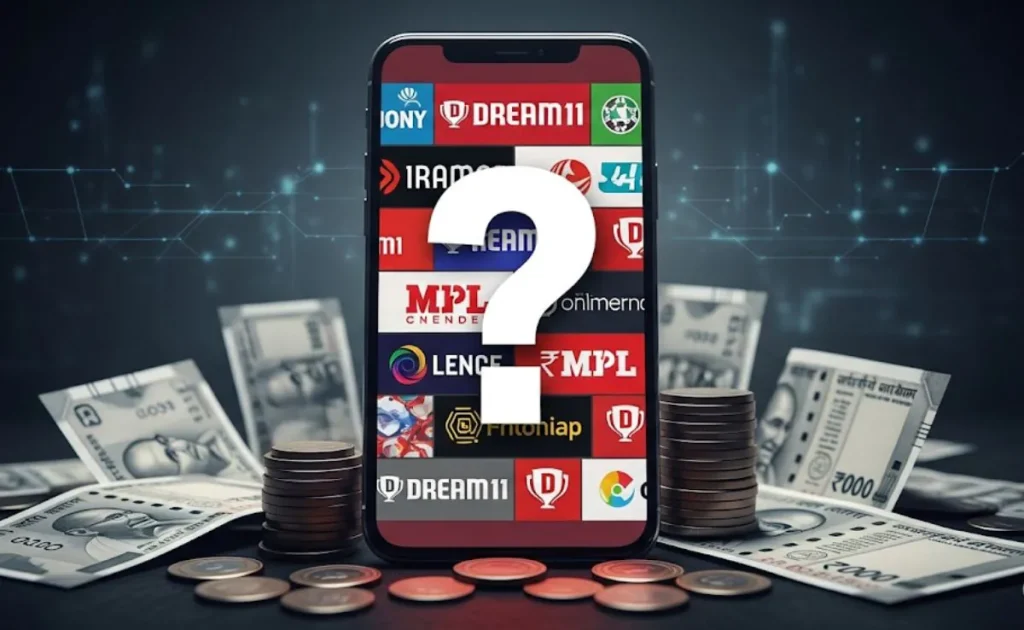
Both houses of Parliament approved the legislation, prompting immediate operational suspensions by major platforms like Dream11, MPL, and Winzo.
The bill targets games involving monetary stakes, citing risks of addiction, financial ruin, and illicit activities, while promoting e-sports and non-stake social gaming.
Industry Giants Halt Cash-Based Operations
Dream11 announced the cessation of cash games and contests, ensuring users can withdraw existing balances.
Similarly, Mobile Premier League (MPL), with 120 million registered users globally, terminated all pay-to-play offerings in India, emphasizing seamless withdrawal processes.
Winzo and Zupee followed suit, with Zupee maintaining free games like Ludo Supreme, while Moonshine Technologies (PokerBaazi) suspended its RMG operations, as confirmed by parent company Nazara Technologies.
Economic and Social Implications
India’s online gaming sector, valued at $3.7 billion in 2024 and projected to reach $9.1 billion by 2029, faces significant disruption. The industry, which supports 200,000 jobs and contributes ₹20,000 crore in GST annually, has attracted $3 billion in foreign investment over five years.
Industry bodies warn that the ban may drive users to unregulated offshore platforms, undermining tax revenues and consumer protections.
Stringent Penalties and Enforcement
The legislation prescribes severe penalties: up to two years’ imprisonment and ₹50 lakh fines for advertising RMGs, and three years’ imprisonment with ₹1 crore fines for facilitating financial transactions.
Repeat offenders face escalated penalties, including up to five years’ imprisonment and ₹2 crore fines.
Players are deemed victims, not perpetrators, exempting them from punitive measures, while enforcement includes warrantless searches, raising digital privacy concerns.
Mixed Industry Reactions and Legal Challenges
While some stakeholders laud the bill for safeguarding gaming integrity, others decry its impact on revenue streams and innovation.
Industry federations, including AIGF and EGF, have appealed to Home Minister Amit Shah, arguing the ban risks job losses and pushes users toward unsafe platforms.
Legal challenges loom, with gaming firms contemplating Supreme Court petitions, citing the bill’s lack of consultation and its disregard for the skill-versus-chance distinction upheld by courts.