

NATIONAL: Bengaluru Traffic Slows Me More Than Spaceflight Speeches: Astronaut
Group Captain Shubhanshu Shukla, India’s trailblazing astronaut, brought a touch of cosmic humor to the bustling halls of the Bengaluru Tech Summit.
His lighthearted jab at the city’s notorious traffic quickly became the talk of the event, underscoring the everyday struggles even space explorers face back on Earth.
Traffic Woes Outpace Cosmic Voyages
Shukla shared a relatable anecdote during his session at the Future Makers Conclave on Thursday.
The three-hour crawl from Marathahalli to the Bangalore International Exhibition Centre felt endless compared to his concise talk on space exploration.
He quipped that reaching the venue was far tougher than docking with the International Space Station.
The audience erupted in laughter, a nod to Bengaluru’s perennial congestion that plagues residents and visitors alike.
Karnataka IT Minister Priyank Kharge later echoed the sentiment in his closing remarks.
He pledged swift action to ease such bottlenecks, turning the moment into a call for smarter urban planning.
Recalling the Thrill of Ax-4 Mission
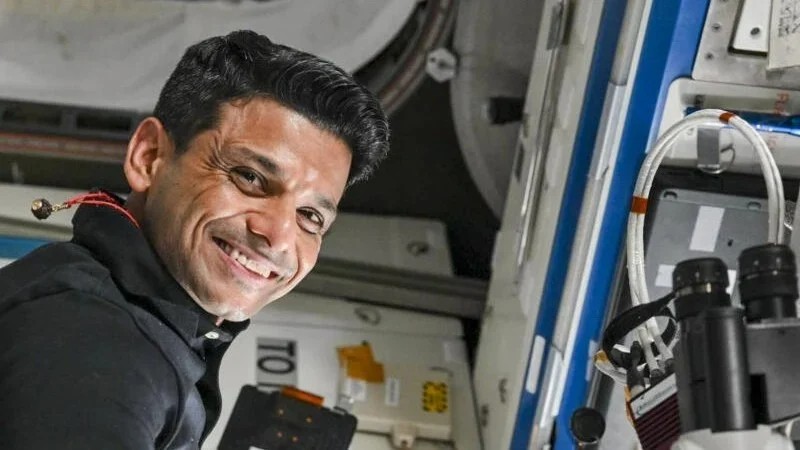
Shifting gears, Shukla delved into his June 2025 journey aboard Axiom Mission 4, a private flight that marked India’s return to human spaceflight after four decades.
As a pilot, he joined Commander Peggy Whitson and specialists from Poland and Hungary for a two-week stay on the ISS.
The launch from NASA’s Kennedy Space Center aboard a SpaceX Dragon capsule was flawless, docking the next day.
Shukla described the ascent as exhilarating, with zero gravity hitting like a gentle rumble over the chest, demanding quick adaptation.
Over 60 experiments filled their days, including seven led by ISRO on microgravity’s toll on muscles, microbes, and even crop growth.
This hands-on work sharpened skills vital for India’s upcoming Gaganyaan program.
- Cognitive impacts from prolonged screen time in orbit
- Microbial shifts under weightless conditions
- Muscle weakening and recovery patterns
- Resilience of key crops like rice in space
These efforts, backed by collaborations with NASA and ESA, cost India around $65 million but yielded invaluable data for future missions.
Adjusting to the Final Frontier
Shukla painted a vivid picture of life beyond Earth’s pull. The first week in space required relearning basics, from eating floating meals to maneuvering in confined quarters.
He likened the sensation to a newborn’s disorientation, where every motion feels amplified. Crew members bonded over shared challenges, turning isolation into a team triumph.
Upon splashdown, the real test began. Gravity’s return left bodies reeling for nearly two weeks, with simple tasks like walking demanding deliberate effort. Shukla credited rigorous training for a smoother readjustment.
A Beacon for India’s Stellar Ambitions
Wrapping up, Shukla beamed with national pride, calling the Ax-4 flight a cornerstone of India’s space legacy. As the first ISRO astronaut to orbit the ISS, he embodied the nation’s leap forward.
He screened mesmerizing footage of India from above, the subcontinent’s patchwork of lights and landscapes stirring applause. Such views, he noted, fuel dreams of boundless exploration.
With Gaganyaan eyeing a 2027 launch, Shukla urged the crowd to embrace innovation without limits. His words resonated in a city synonymous with tech drive, blending earthly hurdles with heavenly heights.
The summit, themed ‘Futurize,’ wrapped with over 50,000 attendees, featuring voices like Sania Mirza and Ankur Warikoo. Shukla’s session stood out, reminding all that progress thrives on humor and heart.