

INTERNATIONAL: 30-Year Frozen Embryo Becomes Baby: World Record
Historic Birth
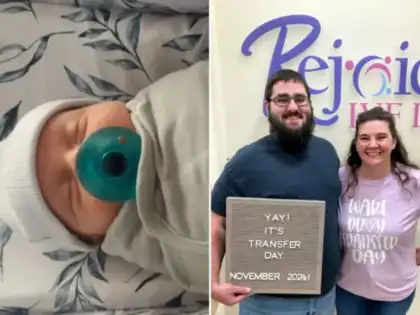
A baby boy, Thaddeus Daniel Pierce, was born to Lindsey Pierce and Tim Pierce from Ohio, USA, from an embryo frozen for nearly 30 years. Experts confirm this as a world record, noting no other embryo has been preserved for such an extended period.
The couple, who waited seven years for a child, described the experience as akin to a science fiction movie. They adopted the embryo through a Christian embryo adoption center after natural conception efforts failed.
Embryo’s Origin
In 1994, Linda Orchard used in vitro fertilization (IVF) after struggling to conceive naturally. Doctors fertilized her eggs with her husband’s sperm, creating four embryos, one of which resulted in a daughter, now 30 years old.
The remaining three embryos were frozen. Even after separating from her husband, Orchard paid thousands annually to preserve them, refusing to donate them for research or to unknown families.
Adoption Process
Orchard, now 62, entrusted the embryos to a Christian adoption center, specifying they go to a married, white Christian couple in the USA. Lindsey and Tim Pierce met these criteria, and two embryos were transferred to Lindsey’s womb.
One embryo successfully developed into a baby boy. Orchard expressed joy upon seeing a photo of the child born from her preserved embryo.
Couple’s Journey
Lindsey and Tim faced years of infertility before opting for embryo adoption. The successful birth of Thaddeus, born on October 22, 2024, marked a significant milestone for the couple.
The process, facilitated by the National Embryo Donation Center (NEDC), highlights the growing practice of embryo adoption, offering hope to couples struggling with infertility.
Scientific Milestone
The birth sets a record previously held by twins born in 2022 from 29-year-old embryos. Experts from the NEDC and medical professionals emphasize the rarity of such a long preservation period for a viable embryo.
This case underscores advancements in cryopreservation and the potential for frozen embryos to remain viable for decades, offering new possibilities for family planning.