

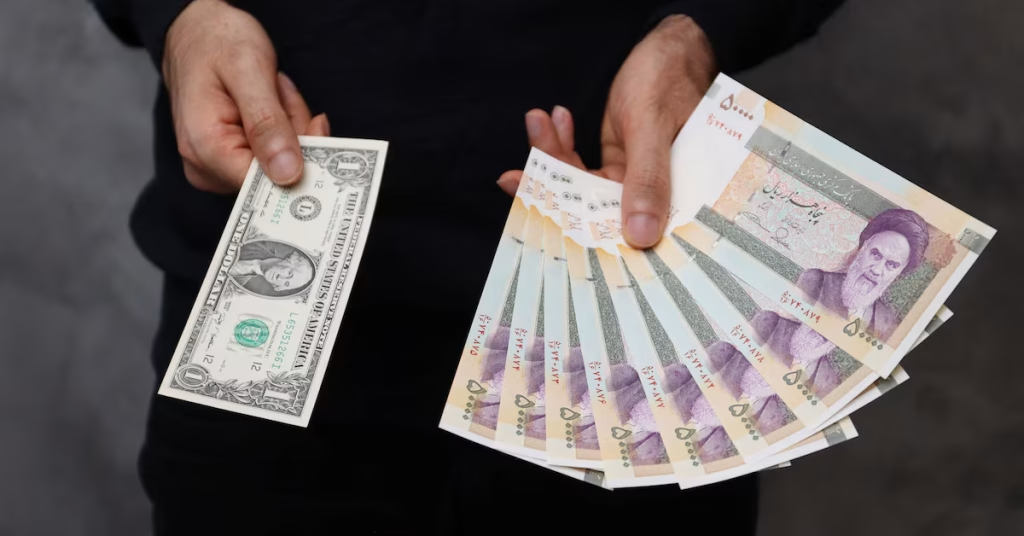
INTERNATIONAL: Iranian Rial Crashes to 1.2 Million per Dollar
Tehran’s streets buzz with quiet desperation as the Iranian rial tumbles to a staggering 1.2 million per U.S. dollar in free markets on December 3, 2025.
This marks the weakest point yet, a sharp slide from 703,000 rials around the U.S. election in November 2024.
Families clutch thinning wallets, watching savings evaporate overnight in a market starved of stability.
Sanctions Renewed, Economy Reels
Fresh U.S. measures under President Trump’s February 2025 “maximum pressure” push have frozen overseas assets and choked oil sales, even to discount buyers like China.
The UN Security Council’s September snapback revived nuclear curbs, halting arms imports and missile advances.
These blows compound years of isolation, slashing exports and inflating import costs across the board.
Essentials Out of Reach
Grocery lines stretch longer as rice prices leap 40 percent and meat doubles in weeks, per local reports.
Inflation, hovering near 50 percent, gnaws at fixed incomes, forcing tough choices between fuel and food.
Urban households, once cushioned by subsidies, now ration basics, with black market premiums adding insult to injury.
Blackouts Bite in Bitter Cold
Winter’s chill exposes a glaring paradox: Iran, atop vast gas reserves, grapples with daily outages lasting hours due to grid failures and 300 million cubic meter shortfalls.
Power plants burn dirty mazut fuel, worsening smog that claims thousands of lives yearly. Factories idle, schools shuttered, and homes huddled in darkness, amplifying the squeeze on daily routines.
Roots in a Fractured Past
Flash back to 2015’s nuclear accord, when one dollar fetched just 32,000 rials and hope flickered for growth.
Trump’s 2018 exit shattered that, sparking a freefall that negotiations have failed to stem.
Stalled talks leave the economy adrift, vulnerable to geopolitical jabs from Israel and Washington.
Domestic Demons at Play
Corruption scandals and bureaucratic snarls drain resources, with mismanagement blamed for the energy mess despite untapped reserves.
Protests simmer over graft, while officials scramble with ration cards and price caps that barely dent the chaos.
This internal rot, paired with external walls, traps ordinary Iranians in a cycle of scarcity.
Glimmers Amid the Gloom?
Whispers of diplomatic thaw circulate, but realism tempers optimism; sanctions show no sign of easing soon.
For now, resilience defines the Iranian spirit, cobbling normalcy from scraps.