

MOVIE DESK: AI-Modified ‘Raanjhanaa‘ Climax Ignites Legal Dispute
Introduction to the Controversy
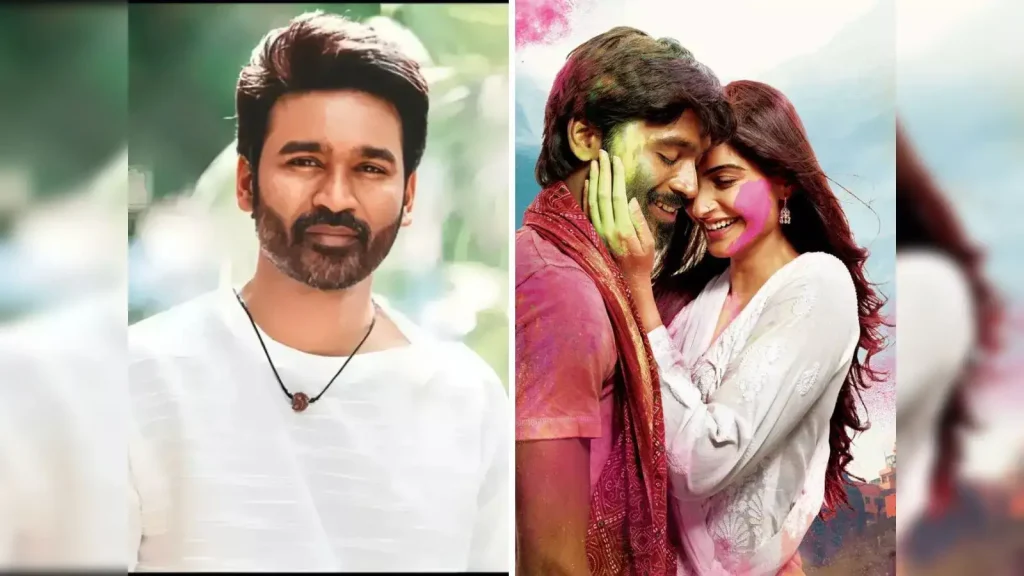
The 2013 romantic drama Raanjhanaa, directed by Aanand L. Rai and starring Dhanush, has sparked a significant debate following its re-release on August 1, 2025. The Tamil version, Ambikapathy, features an AI-generated alternate climax, transforming the original tragic ending into a happier one, prompting strong objections from the film’s key creatives.
Creative Concerns Raised
Director Aanand L. Rai has publicly decried the AI-altered re-release, describing it as a “devastating” act that undermines the film’s emotional core. He expressed dismay over the lack of consultation, emphasizing that the modification strips the narrative of its authenticity and sets a “dangerous precedent” for creative integrity in cinema.
Dhanush’s Stance
Lead actor Dhanush echoed Rai’s sentiments, stating that the AI-modified climax “stripped the film of its very soul.” He revealed that his explicit objections were disregarded by the production house, fueling concerns about the ethical implications of using AI to alter artistic works without consent.
Eros International’s Defense
Eros International, the film’s producer and rights holder, defends the AI-altered re-release as a “respectful creative reinterpretation” aligned with global industry practices. The company claims it engaged with Dhanush’s team prior to the release, asserting no formal objections were received, and maintains its legal right to adapt the film.
Legal Action on the Horizon
Rai and Dhanush are exploring judicial remedies to address the unauthorized alteration, expressing apprehension about the broader impact on their creative portfolios. They warn that unchecked AI interventions could erode artistic control and threaten the sanctity of storytelling across the industry.
Industry-Wide Implications
The controversy has ignited a debate about the role of AI in filmmaking, raising ethical and legal questions about authorship and ownership. Industry figures, including Anurag Kashyap and Neeraj Pandey, have supported Rai, criticizing the lack of communication and consent in altering a celebrated work.
Legal Framework in India
Under Indian Copyright Law, producers hold primary rights over cinematographic works, limiting directors’ and actors’ control unless specified in contracts. Experts note that while AI-assisted works are protected with significant human input, the Raanjhanaa case highlights gaps in regulating AI’s impact on creative legacy.
Public and Industry Response
The re-release has elicited mixed reactions, with some audiences welcoming the new ending while others decry it as a betrayal of the film’s original vision. Social media reflects polarized sentiments, with fans and filmmakers rallying against the perceived commercialization of a cult classic.
Future of AI in Cinema
This dispute underscores the need for clearer regulations governing AI’s use in altering existing works. As Rai and Dhanush pursue legal recourse, the industry faces a pivotal moment in balancing technological innovation with the preservation of artistic intent.