

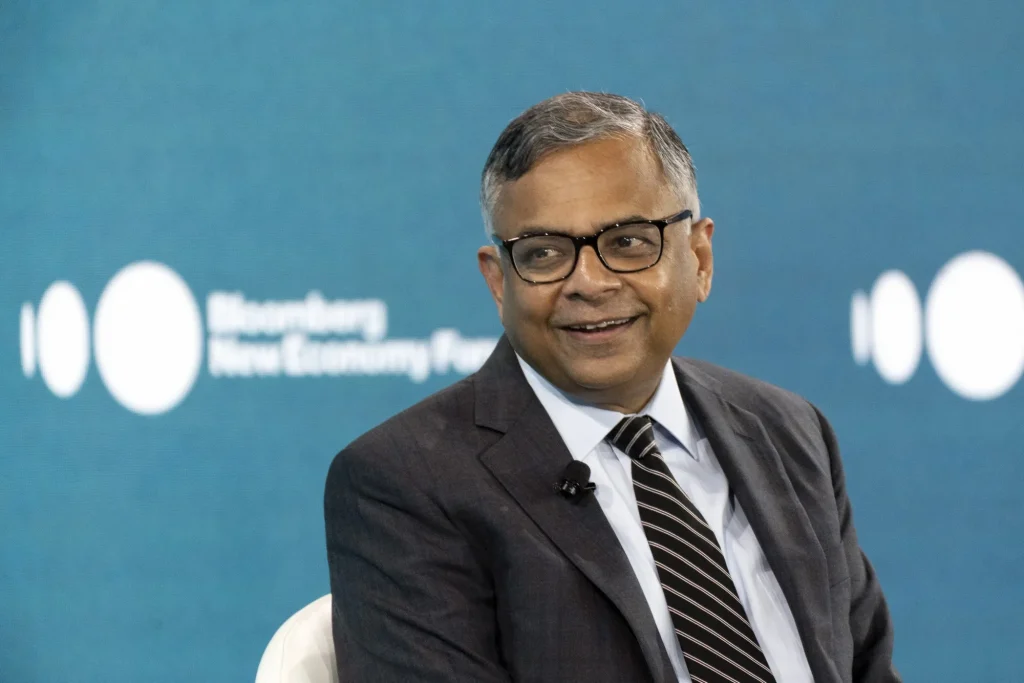
National: Tata Chairman’s Pay Soars Amid Profit Dip
Chandrasekaran’s FY25 Compensation
Natarajan Chandrasekaran, Executive Chairman of Tata Sons, received a total remuneration of Rs 155.81 crore in FY 2024-25, a 15% increase from Rs 135 crore in FY24. The package comprises Rs 15.1 crore in salary and benefits, with Rs 140.7 crore as commission on profits, as per the company’s annual report.
Profit Decline at Tata Sons
Despite the salary hike, Tata Sons reported a 24.3% drop in net profits, falling from Rs 34,654 crore in FY24 to Rs 26,232 crore in FY25. This decline has sparked discussions about the alignment of executive compensation with corporate performance.
Other Executive Earnings
Saurabh Agrawal, Executive Director and CFO, earned Rs 32.7 crore in FY25, up 7.7% from the previous year. Noel Tata, who joined the board in October 2024 after Ratan Tata’s passing, received a commission of Rs 1.42 crore.
Board Member Commissions
Former board member Leo Puri, who retired in March 2025, was paid Rs 3.13 crore in commission. Bhaskar Bhat, who retired in August 2024, received Rs 1.33 crore, while Venu Srinivasan continued to abstain from commissions.
Corporate Context and Leadership
Chandrasekaran, who assumed the chairmanship in 2017, has driven Tata Group’s expansion into semiconductors, aviation, and consumer platforms. His leadership has been pivotal, though the profit dip raises questions about strategic priorities.
Public and Industry Reactions
The significant pay hike amidst a profit decline has drawn scrutiny, with stakeholders questioning the rationale behind the increase. Posts on X reflect mixed sentiments, highlighting Chandrasekaran’s role as a top earner in India Inc.
Financial Performance Overview
Tata Sons’ revenue grew by 25% to Rs 43,893 crore in FY24, with a market capitalization of Rs 30.37 lakh crore, up 47% from the prior year. The company also paid a record dividend of Rs 35,000 per share in FY24.
Implications for Corporate Governance
The pay structure underscores debates on executive remuneration in India, particularly when juxtaposed against financial setbacks. The board’s decision to reward performance via commissions remains a focal point.